10. June, 2026delish0
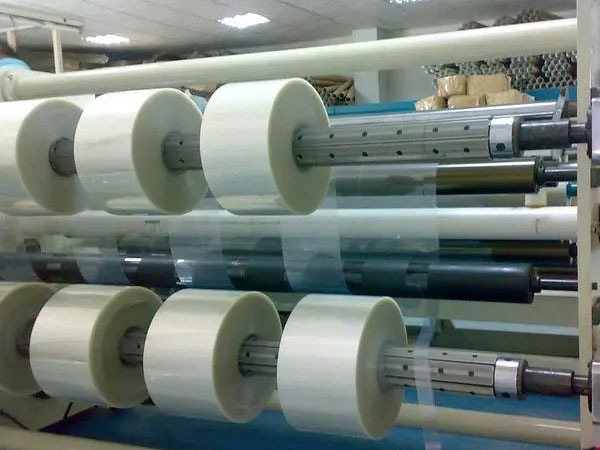
Ribbon slitting machines play a key role in the production process of heat transfer printing consumables. Uneven winding is one of the most common quality defects in the slitting process, manifested as uneven end faces, tower-shaped curling, and misaligned edges. These not only affect the product's appearance but also cause ribbons to deviate, wrinkle, or even break during subsequent printing. This article will systematically analyze common causes of uneven winding and provide actionable adjustment methods.
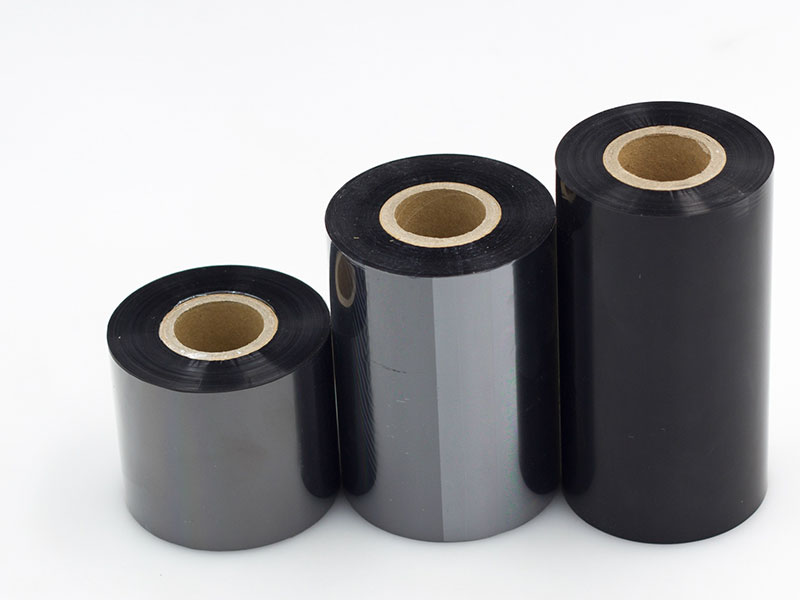
1. Typical forms of uneven collection
• Uneven end face: The rolled end face appears wavy with obvious undulations
• Tower-shaped winding: The sides or one side of the roll core gradually expand outward, forming a pagoda shape
• Edge misalignment: The strip moves back and forth along the width direction, with uneven edges
• Uneven tightness: uneven tension distribution inside the roll, with some areas loose and prominent
2. Analysis of Main Causes
1. Tension control system issues
Tension is the core factor affecting the quality of winding. Too little tension can cause the core to loosen and the strip to slip; Excessive tension intensifies lateral displacement; Frequent tension fluctuations can cause uneven ends and faces.
Common causes include: performance degradation of magnetic powder clutches/brakes, tension sensor signal drift, aging and leaking air in the air expansion shaft sealing rings, and improper setting of control parameters.
2. Correcting system faults
The correction system is responsible for real-time correction of the strip's trajectory. Failure causes include: decreased sensitivity of photoelectric/ultrasonic sensors, sensor position offset leading to incorrect detection references, and deviation correction actuators (lead screws, rails) sticking or slow response.
3. Mechanical precision deviation
After long-term operation, mechanical components may experience a decline in precision: the winding shaft is not parallel to the guide roller, the winding shaft is bent and deformed, bearing wear causes shaft runout, and uneven pressure on the presser arm.
4. Blade set and slitting quality
The neatness of the slitting edges directly affects the stability of winding. Blade wear can produce burrs and dust; Inconsistent knife pressing can cause edge curling; If the cutting precision between upper and lower blades is insufficient, wavy edges will appear.
5. Incoming materials and operational factors
• The main roll has uneven end faces or hard edges
• Significant differences in ribbon thickness and stiffness between batches
• The winding core is not round or the inner diameter deviation between both ends is large
• Incorrect strap path or excessively fast starting speed
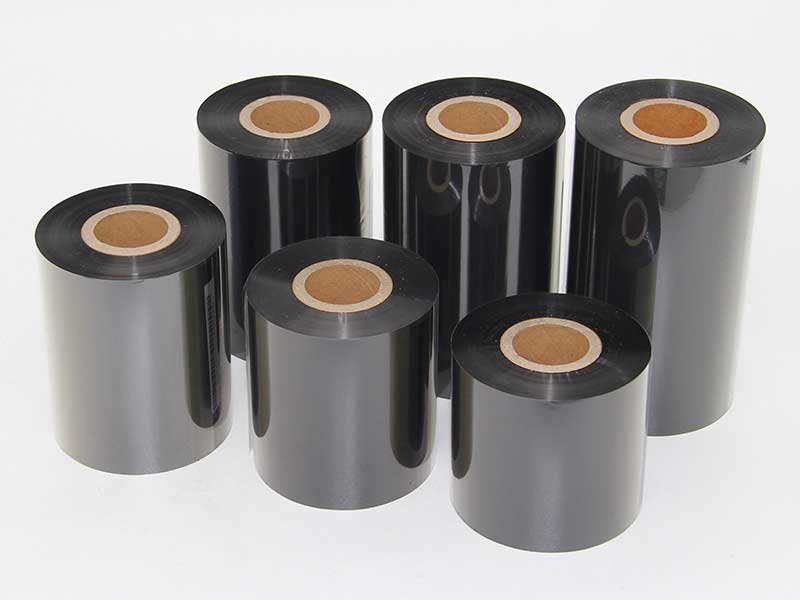
3. Adjustment and Solutions
Step 1: Basic inspection and mechanical calibration
1. Check the parallelism between the winding shaft and the guide roller
Use a dial indicator or spirit level to measure the horizontal parallelism between the winding shaft and each guide roller, with tolerance controlled within 0.05mm/m. If not parallel, adjust the position of the bearing seat gasket or bracket.
2. Check the runout of the reel
Rotate the winding shaft to measure the runout of the shaft surface. If the length exceeds 0.1mm, the shaft core must be replaced or the shaft body corrected.
3. Inspect the expansion shaft and core pipe
Confirm that the expansion shaft block moves synchronously and without sticking. Select tubes with good roundness and burr-free end faces.
Step 2: Tension system optimization
1. Adjust the tension set value
Set the release tension (usually 3~8N) and the winding tension (increasing from start to finish) according to ribbon specifications (width, thickness, material), initially set at about 5~12N. A taper tension control mode is used, reducing tension proportionally as the coil diameter increases.
2. Check the magnetic powder clutch/brake
Manually rotate without power, and feel for any sticking spots or jerky sensations. After powering on, measure whether the output torque is linear. Aging or damaged items should be replaced promptly.
3. Check the air circuit system
Ensure stable pressure on the expansion shaft (recommended 0.4~0.6MPa), check for leaks in the air hose, and drain the filter regularly.
Step 3: Debugging the deviation correction system
1. Calibration the sensor
Clean the sensor lens and recalibrate the detection reference point according to the equipment manual. For edge tracking mode, ensure the sensor is aligned with the effective area of the strip edge.
2. Adjust the correction response speed
If the correction response is too slow, correction lag will occur, while if too fast, it will cause oscillation. Typically, the response time is set between 0.2~0.5 seconds, with a dead zone of 0.5~1mm.
3. Check the actuator
Clean the lead screw and add grease, check the straightness of the guide rails, and confirm that the correction motor operates sensitively without free loops.
Step 4: Maintenance of the slitting blade group
• Replace worn blades (recommended for 100,000~200,000 meters per minute or when obvious burrs appear)
• Adjust the upper and lower blade engagement amount: for film types, about 0.05~0.1mm; thicker ribbons can be increased appropriately
• Check the tool holder tightening to ensure the blade installation angle is correct
Step 5: Optimize operational parameters
| Parameters | Recommended range | Explanation |
| Starting speed | 20~50m/min | Start at low speed, gradually accelerate |
| acceleration and deceleration times | 15~30 seconds | Avoid sudden changes in tension |
| Pressure for rewinding the arm compression | 0.1~0.3MPa | Adjust according to the roll diameter |
| Taper tension slope | 30%~50% | At full roll, tension drops to 50~70% of the initial level. |

4. Rapid Inspection Flowchart
The collection is uneven
1. Check whether the die core is round and neat→ → replace the die core
2. Check for reel runout → over-tolerance → Correct/replace the shaft core
3. Machine operation observation correction → No movement/offset → Cleaning sensor/adjustment reference
4. Segment testing tension → large fluctuations → Check the magnetic particle clutch/tension sensor
5. Check the slitting edges → Burrs/wavy → Replace blades or adjust the bite amount
5. Preventive maintenance recommendations
1. Establish a spot inspection system: Check the sealing of the expansion shaft, sensor cleanliness, and tension display values daily
2. Periodic calibration: calibrate the tension sensor every 3 months and check the reel shaft parallelism every 6 months
3. Spare parts management: Regularly keep wear parts of the same specification such as blades, bearings, and sealing rings
4. Operation Training: Ensure operators understand the principle of taper tension and can correctly set process parameters for different materials
6. Common Misconception Reminders
• Misconception 1: Blindly increasing tension due to incomplete winding → can easily cause core deformation and strip stretching
• Misconception 2: Overlooking die quality → Die dies that are not round or insufficiently strong cannot fundamentally solve the winding problem
• Misconception 3: Pointing the correction sensor at the center of the strip rather than the edges → The tracing mode must align the edges correctly
• Misconception 4: Taper tension set to 0% → excessive outer tension during large rolls can crush the inner layer
Inconsistent ribbon slitting and winding is often the result of multi-factor coupling. It is recommended to investigate item by item in the order of "mechanical accuracy → tension → correction → tool → parameters." Through systematic tuning and standardized daily maintenance, the vast majority of issues of incomplete collection can be effectively resolved. When the problem persists, consider using high-speed cameras or tension recorders for dynamic analysis to pinpoint occasional sources of interference.
 English
 Deutsch
 Français
 Español
 Português
 日本語
日本語 русский
 한국어
한국어 عربي
عربي ภาษาไทย
 Tiếng Việt
 Italiano
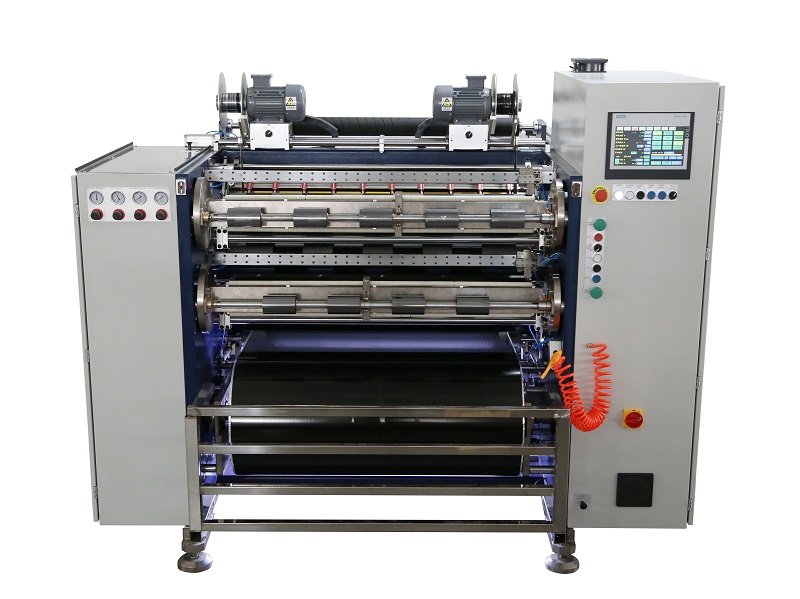 Fully Automatic TTR Slitter RSDS8 Plus
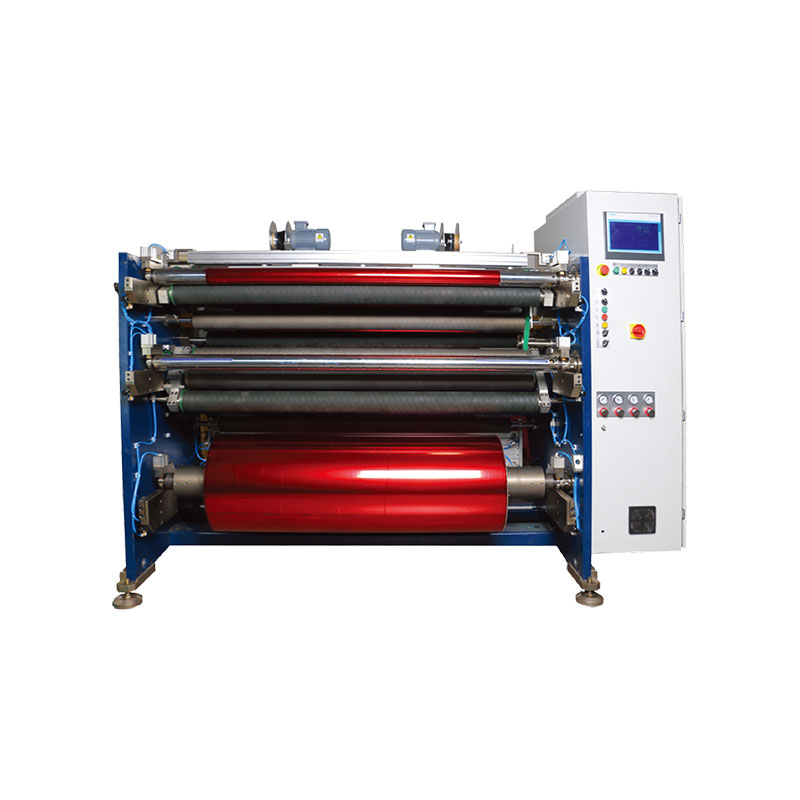 Hot Stamping Foil Slitter 1600mm
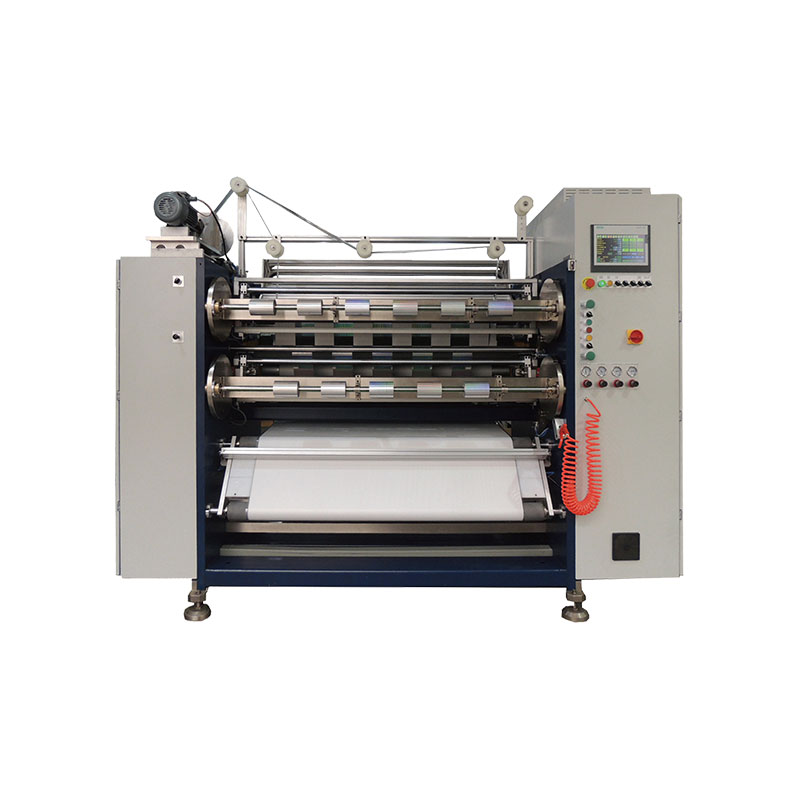 Hot Stamping Foil Slitter (4 Shafts)
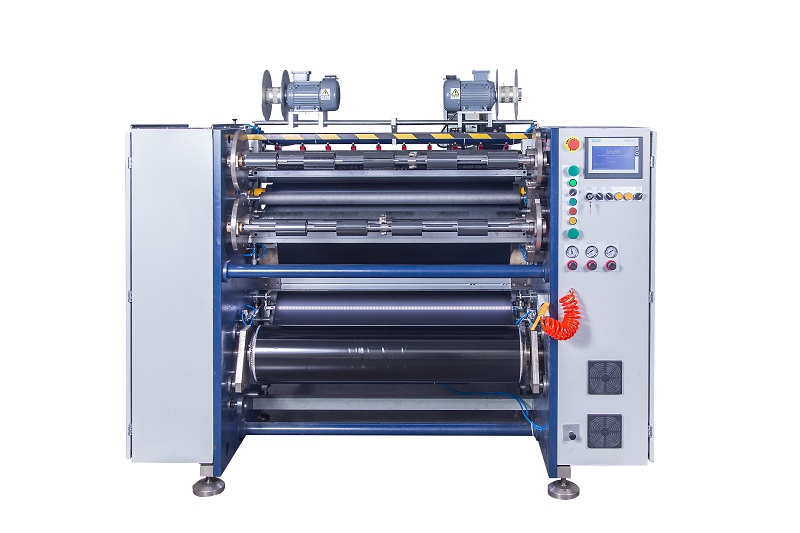 Semi-Auto TTR Slitter RSDS2 Plus
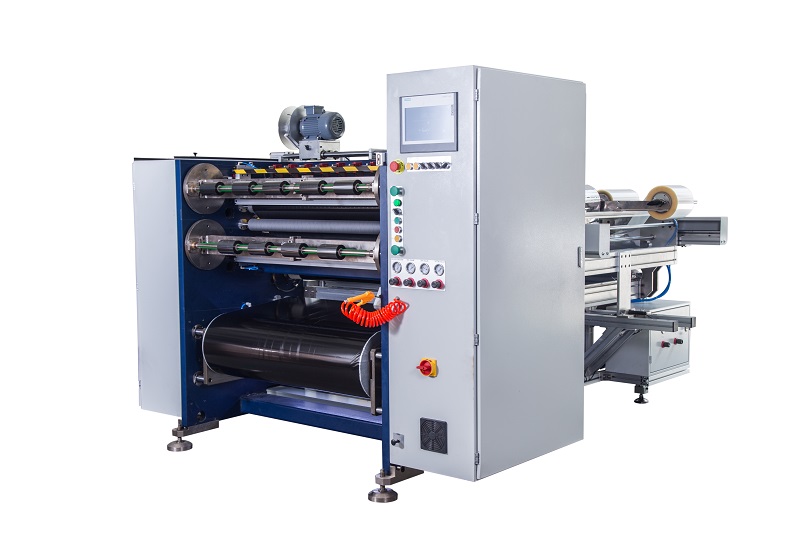 Semi Automatic TTR Slitter RSDS5 Plus
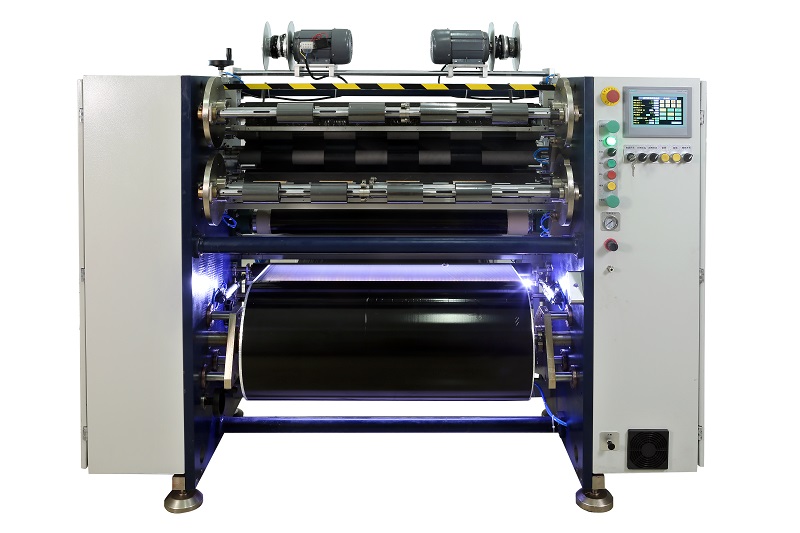 Manual TTR Slitter RSDS2
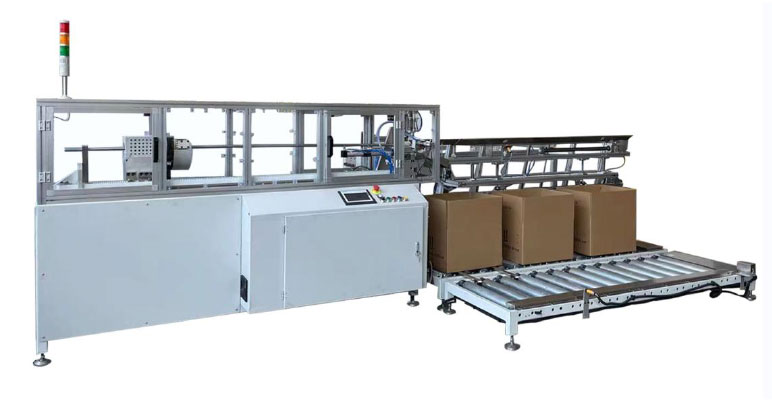 Auto Paper Core Cutter
 Film Slitting Machine



 +86 135 9951 7291
 support@delishgroup.com
 +86 135 9951 7291