14. August, 2026delish0
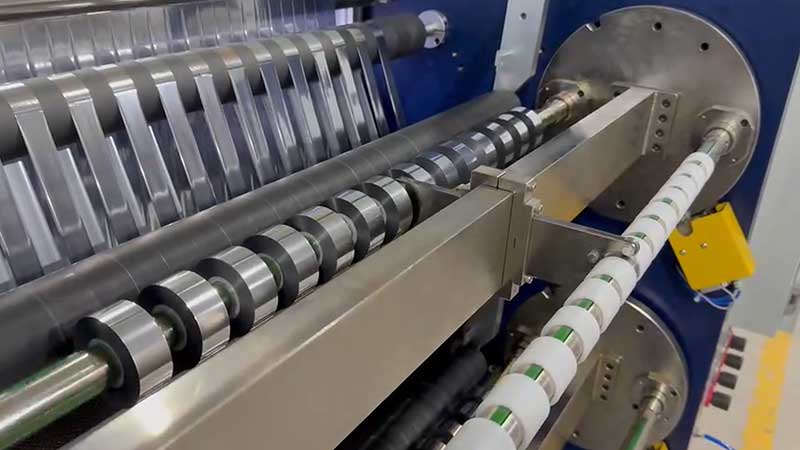
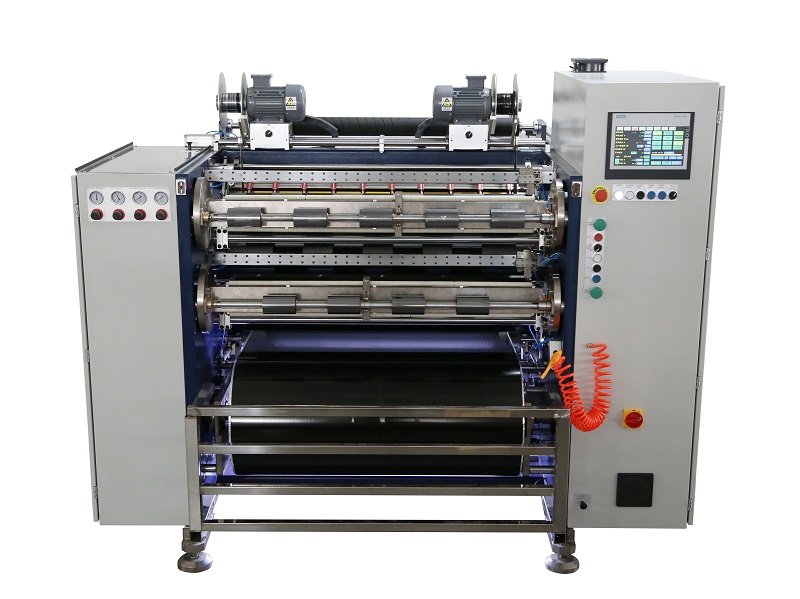
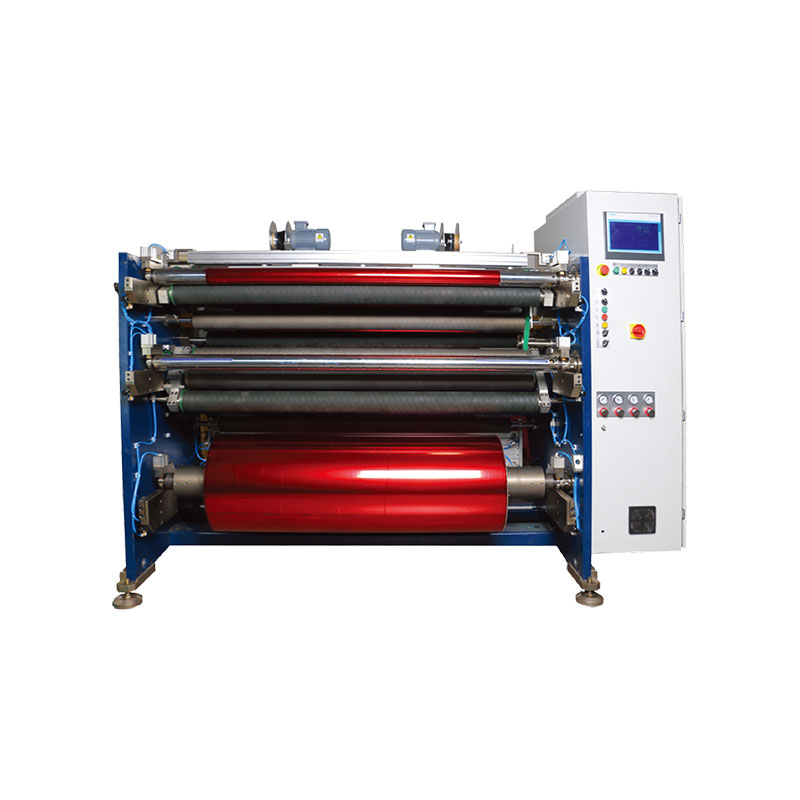
Slitting of hot stamping foil is a key step in the production of hot stamping materials, and the quality of slitting directly affects the subsequent stamping effect. The hot stamping foil slitting machine operates at high speeds (usually reaching 200-400 meters per minute) and requires high precision (slitting accuracy ± 0.1mm), making it prone to various faults in actual production. This article systematically reviews the causes and troubleshooting methods for common faults such as edge burning, misalignment, broken foil, and uneven end faces, for reference by on-site operators and maintenance personnel.
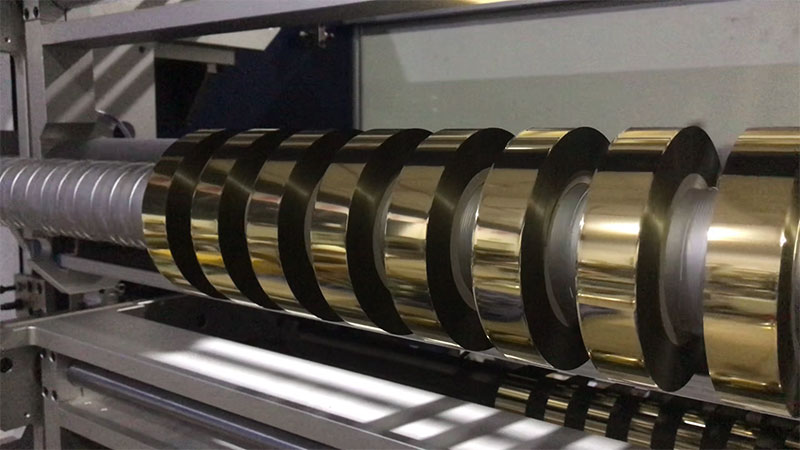
1. Burrs (uneven edges, heavy dust)
Typical manifestations: After slitting, the edges of the foil strip show filamentous burrs, fragments falling off, or the edges become serrated.
Main causes and troubleshooting paths:
1. Tool Factors — Wear and chipping of round or flat blades are the most common causes; Excessive or insufficient upper and lower knife bite; Shaft runout can also cause poor cuts. During inspection, first check for chipping at the knife edge, then measure whether the bite amount is within a reasonable range (usually 0.02–0.05mm, fine-tuned according to foil thickness).
2. Improper tension control — unwinding or rewinding tension is too low, causing the foil strip to shake in the cutting zone; Excessive tension leads to tensile deformation. The recommended tension for hot stamping foil is 1.5–3N/mm², which should be set according to foil thickness and supplier data.
3. Static electricity effect — Hot stamping foil is mostly made from plastic film substrates, which have good insulation. High-speed friction during slitting easily generates static electricity, adsorbing foil powder and forming burrs. Static elimination rods or ionized air nozzles can be installed before and after the cutter.
4. Roller issues — Foreign objects or damage on the roller surface cause uneven local pressure. The roller surface should be cleaned daily, and the aging rubber roller should be replaced if necessary.
Quick diagnosis tip: first check the knife edge for chipping, then check the bite and alignment. Maintain stable tension, eliminate static electricity, and naturally eliminate burrs.
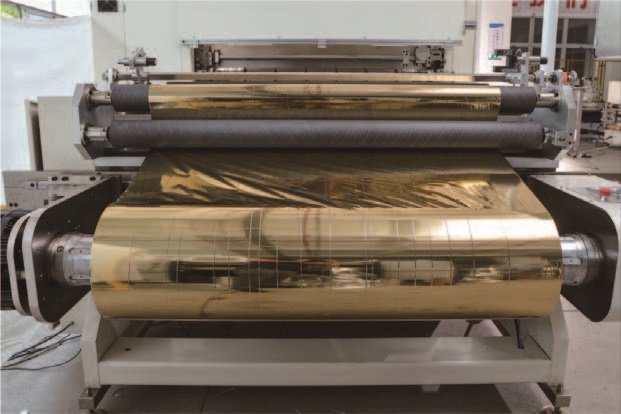
2. Off-the-Edges (lateral movement at the edges, uneven rolling)
Typical manifestations: During slitting, the foil strip deviates from the set trajectory, the winding end face appears "tower-shaped" or "bell-shaped," and even edge collision damages the finished product.
Main causes and troubleshooting paths:
1. Correction system failure—Exposure to dust or foil debris is a common blind spot for photoelectric/ultrasonic probes, leading to 'blindness' in correction. Regularly clean the probe lens, adjust the probe position to half the edge of the foil tape, and set a dead zone (±1mm) to avoid frequent movement.
2. Poor guide roller parallelism—the axes of each guide roller are not parallel, or the surface of the guide rollers is unevenly worn. Calibration can be done using laser or wire drawing methods, with parallelism tolerance ≤ 0.2mm/m.
3. Unwinding offset—the main roll is not aligned on the unwinding shaft, or the spindle is too level. When feeding, ensure that the center of the coil is aligned with the spindle.
4. Lateral force interference of the tool group—asymmetrical lateral pressure on the upper and lower blades pushes the foil strip to one side. Check the axial movement clearance of the knife shaft (should ≤ 0.03mm), and arrange the tool post symmetrically.
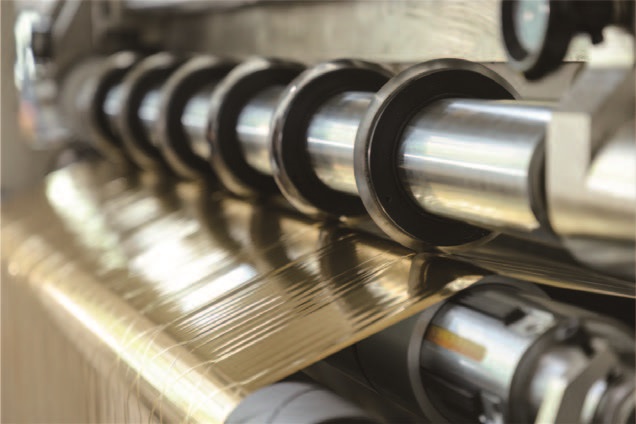
3. Frequent foil breakage
Typical manifestation: frequent breakage of foil tape during slitting, affecting production efficiency and causing material waste.
Sorted by four key components in order:
1. Slitting blade—Once blunt, the blade no longer "cuts" the foil but "tears," causing tiny cracks at the edges that expand under tension into a whole fracture. Touch the knife edge lightly with your finger; if there is obvious dullness or chipping, replace immediately. The overlap between upper and lower blades is usually 0.05–0.1mm, and improper pressure can also cause foil breakage.
2. Guide rollers and foil rollers—scratches, foreign matter, or adhesive layers on the roller surface will repeatedly scrape the foil surface; Bearing sticking creates additional frictional resistance, causing the foil surface to slip and break. Regularly clean the roller surface with a special solvent, and manually turn to check whether each guide roller rotates smoothly.
3. Static elimination device—When static electricity accumulates to a certain level, the foil surface will adhere to the guide roller or frame, causing sudden resistance changes and foil breakage. Observe from a dark position whether the foil surface shows blue-violet electric sparks at the moment it leaves the guide roller, or use an electrostatic tester to measure the foil surface potential to determine if static electricity exceeds the limit.
4. Tension system—Dust accumulation or mechanical jamming of the tension sensor can cause signal distortion; Magnetic powder clumping or loss inside the magnetic powder clutch causes torque that fluctuates between high and low output, manifesting as "normal at low speed, sudden foil breakage after accelerating to a certain speed." Listen for any "rustling" noises or jerking sensations in the magnetic powder clutch to assist in judgment.
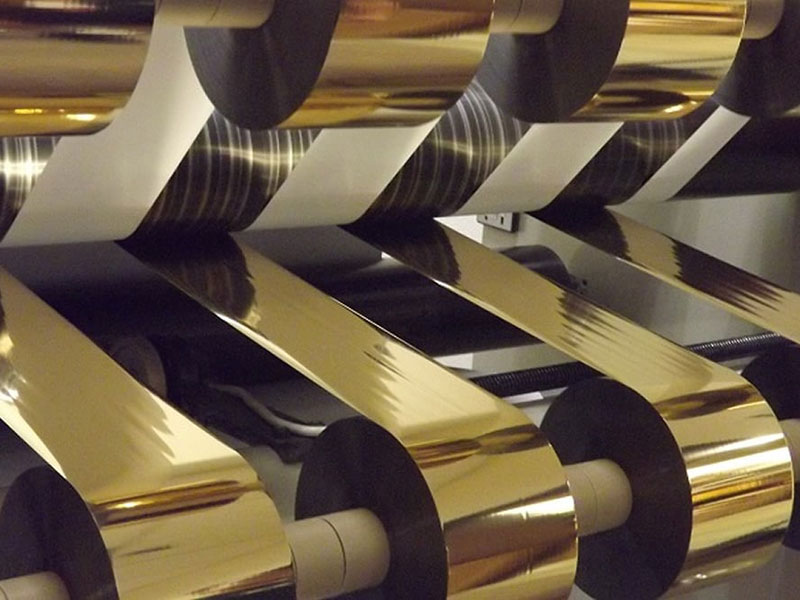
4. The relationship between burrs and off-the-edges
The two types of faults are often mutually causal: debris from burrs accumulates on guide rollers or probes, causing deviation; Off-edge also causes the foil tape to be cut at an angle into the blade, with one side subjected to stress and worsening the burrs. Therefore, a cycle should be established during inspection: cleaning the entire machine→ checking tools→ calibration, alignment → tension optimization→ verification, correction, → retesting of finished products.
5. Recommendations for preventive maintenance systems
The key to reducing failure rates lies in establishing standardized preventive maintenance systems, recommending a four-level maintenance system: daily, weekly, monthly, and annually:
| Cycle | Key content |
| Every day | Clean foil powder on knife holders, guide rollers, and retracting and reeling reels; Check for blade chipping/passivation; Check the air pressure (0.5–0.7MPa) and drain the water; Confirm that the safety device is sensitive |
| Weekly | Wipe all rollers with anhydrous alcohol; Lubricate the tool screw and chain; Fasten the tool post and coupling screws |
| Monthly | Clean dust accumulated in electrical cabinets and inspect cooling fans; Calibrate the zero point of the tension sensor; Check the tension of the drive belt; Clean the correction sensor lens |
| Every year | Inspect/replace roller bearings (must be disassembled and inspected after more than 8,000 hours of operation); Disassembly and inspection of slip shaft friction plates; Use a laser centering instrument to calibrate the parallelism of each roller group |
At the same time, equipment health records should be established, recording data such as slitting accuracy and energy consumption changes after each maintenance, and predicting potential faults through trend analysis. Through the above systematic inspection approach and preventive maintenance, over 90% of hot stamping foil slitting issues can be resolved.
 English
 Deutsch
 Français
 Español
 Português
 日本語
日本語 русский
 한국어
한국어 عربي
عربي ภาษาไทย
 Tiếng Việt
 Italiano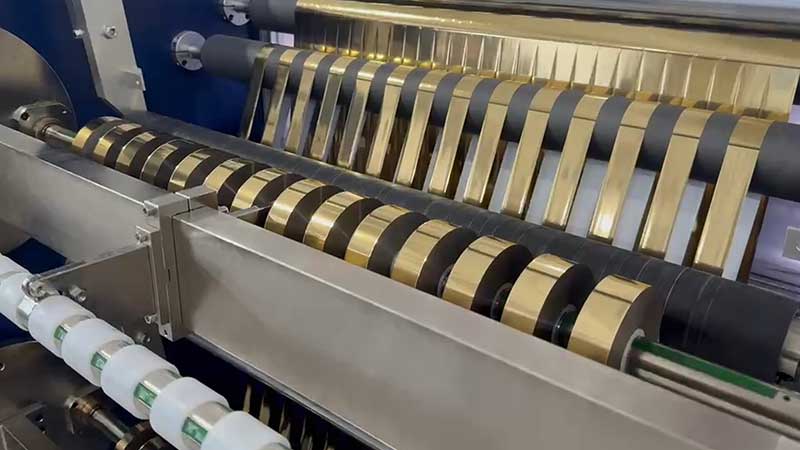
 Fully Automatic TTR Slitter RSDS8 Plus
 Hot Stamping Foil Slitter 1600mm
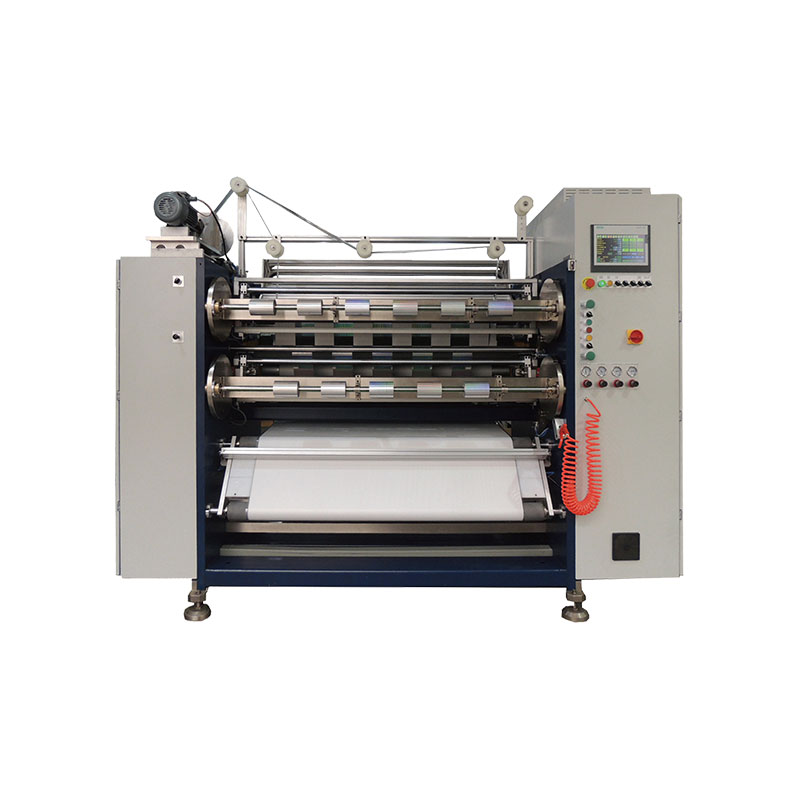 Hot Stamping Foil Slitter (4 Shafts)
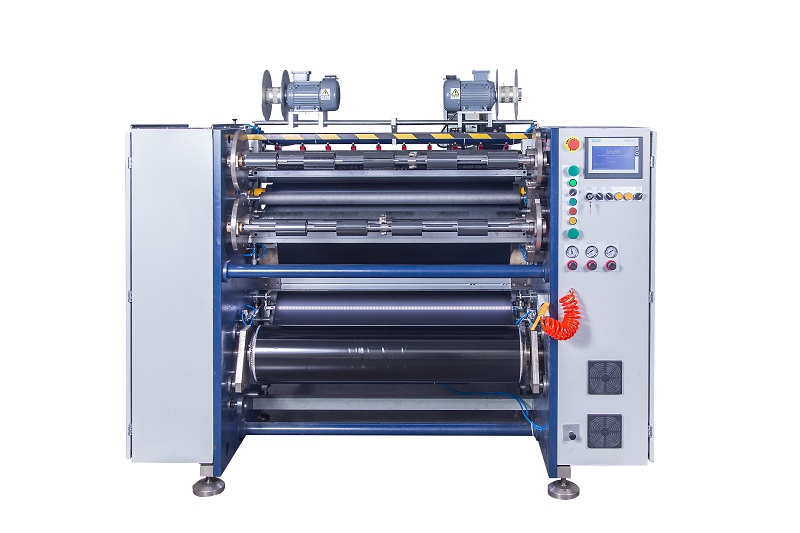 Semi-Auto TTR Slitter RSDS2 Plus
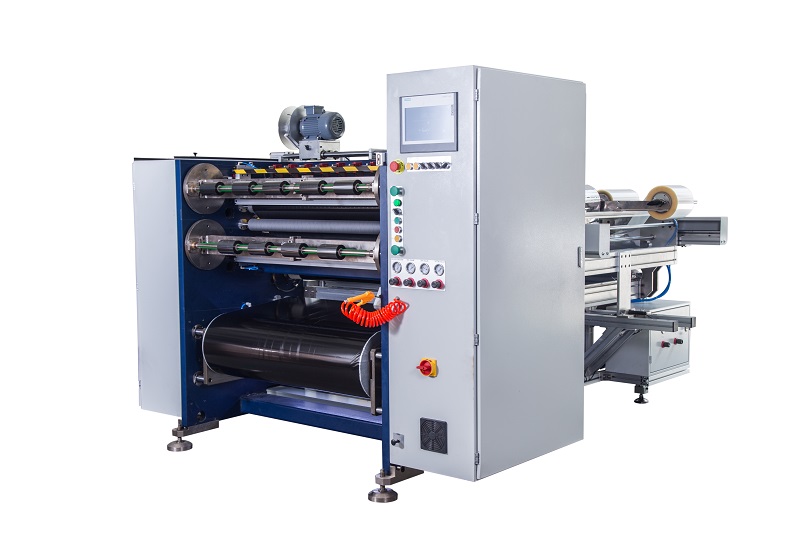 Semi Automatic TTR Slitter RSDS5 Plus
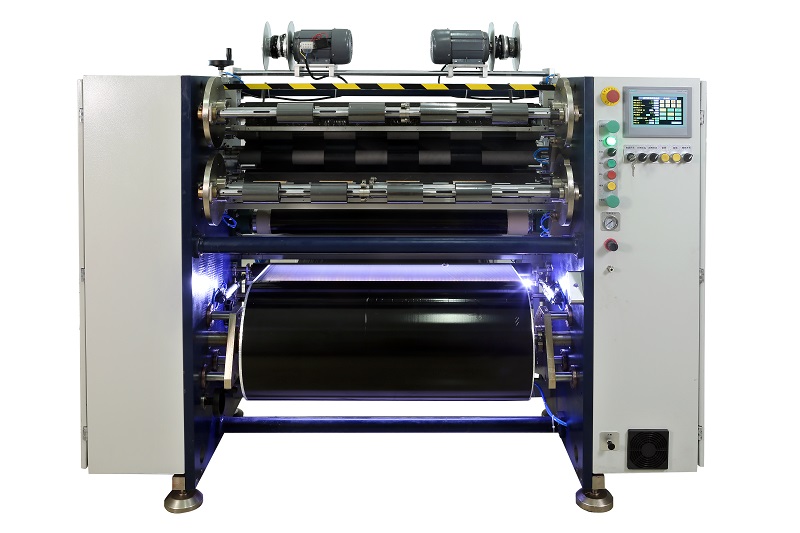 Manual TTR Slitter RSDS2
 Auto Paper Core Cutter
 Film Slitting Machine



 +86 135 9951 7291
 support@delishgroup.com
 +86 135 9951 7291