15. August, 2026delish0
Introduction
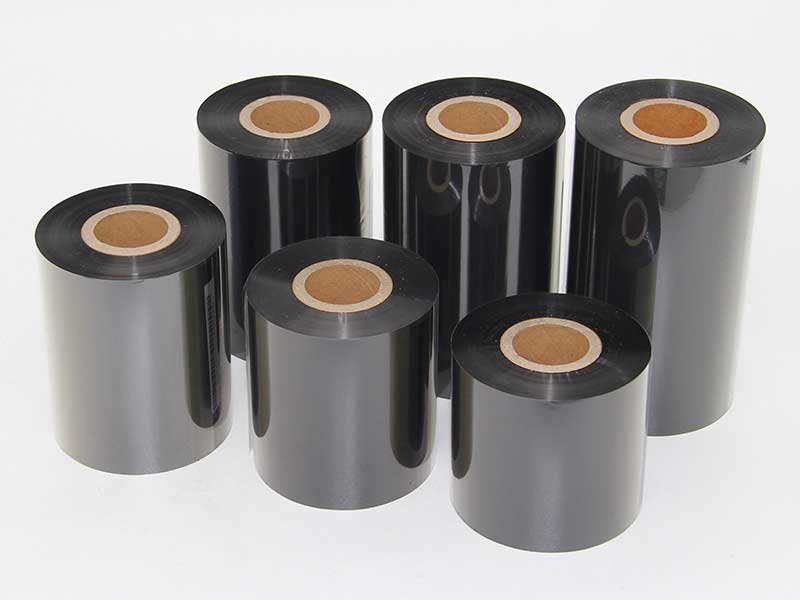
The ribbon slitting machine is a key device for precisely slicing wide, long ribbons into small rolls. Its products are widely used in fields such as heat transfer printing, logistics labels, and electronic components. During ribbon slitting, tension control is the core technology determining product quality—it directly affects the ribbon's rewinding tightness, flatness, and final printing performance. Ribbons, as thin composite materials composed of polyester film (PET), thermal coatings, and back coatings (commonly only 4.5-6 microns thick), are extremely sensitive to stretching, making the tension control system the most technically advanced part of the ribbon slitting machine.
1. Basic principles of tension control
Tension refers to the tensile force experienced by the material during slitting. For ribbon slitting, the core goal of tension control is to achieve stable operation with "no belting, no wrinkle, no deviation."
The physical essence of tension control is a dynamic balance: maintaining just the right tension within the material's elastic limits to ensure the carbon ribbon passes smoothly and steadily through the cutting area, while avoiding excessive stretching that could cause deformation or breakage. This balance changes continuously as the slitting process progresses—the diameter of the unwinding reel gradually decreases, the rewinding reel diameter gradually increases, and the tension requirements change accordingly.
When the tension is too high, the PET base film of the ribbon can be tensile and damaged, causing physical changes in the ink layer attached to the base film, which easily leads to powder loss and quality issues; When tension is insufficient, ribbons are prone to wrinkles, and defects such as white lines and indentations are likely to appear during printing; If the winding tension is too loose, it may cause quality issues such as core misalignment or ribbon sideslip during transportation or installation. Therefore, precise tension control is not only a guarantee of production continuity but also a decisive factor in product quality.
2. Core Components of the Tension Control System
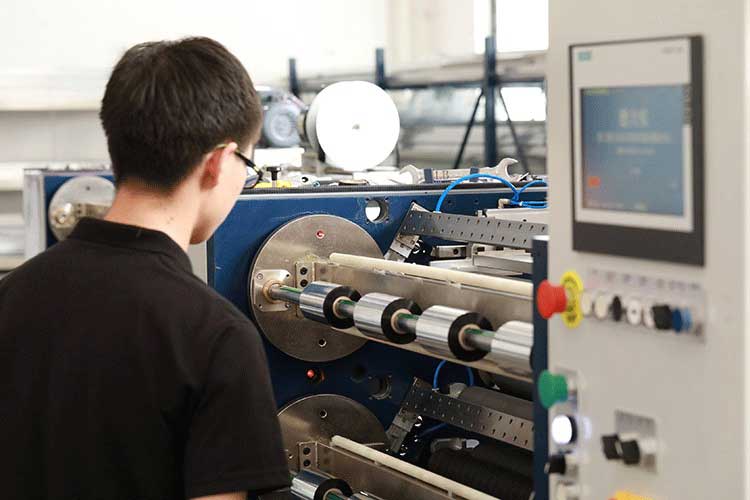
Modern ribbon slitting machines generally adopt a closed-loop fully automatic control system for tension control systems, with three core components working together:
1. Tension detection unit
The tension detection unit acts as the system's "sense," responsible for obtaining real-time tension status information. Mainly includes two types of testing methods:
Tension sensor: Uses strain gauge or piezoelectric high-sensitivity sensors to directly measure the force applied to the guide roller as the ribbon passes through, providing real-time and precise feedback on instantaneous tension values at each stage of unwinding, process guidance, and winding.
Floating roller mechanism: The displacement changes of the floating rollers indirectly reflect the tension state. The floating roller is usually supplied by the cylinder for basic tension. When the ribbon tension changes, the position of the floating roller changes accordingly, and this change is converted into electrical signals by potentiometer or displacement sensor, which is fed back to the control system.
2. Intelligent control unit
The control unit is the "brain" of the system, usually centered around a PLC or dedicated controller. It receives detection signals, performs high-speed calculations based on preset tension curves, and outputs control commands.
The core of the control algorithm is PID (Proportional-Integral-Differentiation) adjustment. The system compares real-time tension values with target tension values to determine the deviation amount, then uses the PID algorithm to calculate the control amount to be compensated. Discrete PID control allows for more precise adjustment of different PID parameters across the sensor's measured angle zones to adapt to various operating conditions.
3. Actuator Unit
The actuator acts as the system's "arms and legs," responsible for converting control commands into actual torque adjustments. The main types are as follows:
Magnetic powder clutch/brake: This is the most widely used control element in ribbon slitting machines. The magnetic powder clutch controls the resistance generated by the magnetic powder by adjusting the excitation current, thereby adjusting the tension. As a passive resistance device, it can control small tensions and is suitable for medium to low-speed slitting scenarios.
Servo motor: The servo motor uses a torque control mode, offering fast response and high control accuracy, suitable for high-precision tension control scenarios. Combined with a built-in PLC PID adjustment module, the sampling cycle can be as short as 1ms, ensuring smooth system operation.
Variable frequency motor: Motor speed and torque are adjusted via a frequency converter, suitable for applications requiring general precision.
Different actuators have their own advantages and disadvantages: magnetic powder clutches are relatively low in cost and simple to control, but during high-speed operation, they tend to generate high temperatures due to high-speed friction of magnetic powder, affecting their lifespan; Servo motors offer higher precision and faster response, making them suitable for high-speed slitting and becoming the mainstream choice for modern high-end equipment.
3. Three-stage tension control strategy
The tension control of the ribbon slitting machine is not a single control point, but is implemented in segments during the unwinding, intermediate traction, and rewinding sections.
Unwinding section: controls the braking torque of the unwinding shaft. As the winding diameter continues to decrease, the braking torque needs to be gradually reduced to maintain constant tension. The traditional solution uses a magnetic powder brake, while the modern solution employs servo motor torque control, with real-time calculation of the coil diameter and automatic adjustment of reverse torque.
Middle section: Before passing through the slitting blade, the ribbon must maintain stable tension to prevent fluctuations from being transmitted to the cutting area. The rational layout and corner optimization of multiple high-flatness guide rollers provide a physical foundation for tension stability.
Winding section: As the winding diameter gradually increases, the required torque continuously increases. At this point, a taper tension control strategy is needed—gradually reducing tension as the winding diameter increases, preventing the inner ribbon from deformation due to excessive pressure. Taper control is a key technology to ensure consistent tightness inside and outside the finished roll, avoiding the phenomenon of "tight outside, loose inside."
4. Special control during start-stop processes
The ribbon slitting machine faces special tension control challenges during startup and shutdown stages—during acceleration and deceleration, the system's rotational inertia must be overcome. If not compensated, the tension during acceleration may be too low during acceleration and too high during deceleration.
Modern slitting machines typically set buffer start and stop distances: under the predetermined slitting speed and tension, a certain number of ribbon buffer meters is applied, during which the machine automatically adjusts speed and tension to maximize the slitting tolerance of all ribbons. This soft start/soft stop strategy effectively avoids the risks of tension shocks and strip breaks caused by instantaneous acceleration and deceleration.

5. Coordination of tension control and slitting accuracy
Tension control and slitting accuracy do not exist in isolation, but are deeply coupled and mutually influential.
Unstable tension can cause the ribbon to expand and contract at the moment of slitting or drift laterally, directly causing width fluctuations and poor cut surfaces; Stable tension provides constant "cutting" conditions for the slitting blade, which is the prerequisite for ensuring accuracy. Conversely, sharp and flat tools can reduce slitting resistance and help maintain stable tension; Blunt blades or poor cut surfaces increase resistance and trigger sudden changes in local tension. The neat winding also ensures stable tension for downstream customers during use.
The most advanced modern ribbon slitting machines are committed to integrating tension control systems with correction systems, spindle drive systems, and tool status monitoring systems. Through high-speed bus networks, data exchange and collaborative decision-making are achieved, forming a large closed-loop control system capable of self-perception and dynamic optimization.
Conclusion
The tension control system of the ribbon slitting machine is a precise "art of balance"—finding the optimal balance between material rigidity requirements and flexible handling, between high-speed production and precision control. From traditional control of magnetic particle clutches to precise servo drive adjustments, from open-loop preset to closed-loop adaptation, the evolution of tension control technology continuously drives improvements in ribbon slitting quality. With the development of sensor technology, intelligent algorithms, and the Industrial Internet of Things, tension control is moving toward greater intelligence, adaptiveness, and systematic development, providing more reliable technical support for precision manufacturing.
 English
 Deutsch
 Français
 Español
 Português
 日本語
日本語 русский
 한국어
한국어 عربي
عربي ภาษาไทย
 Tiếng Việt
 Italiano
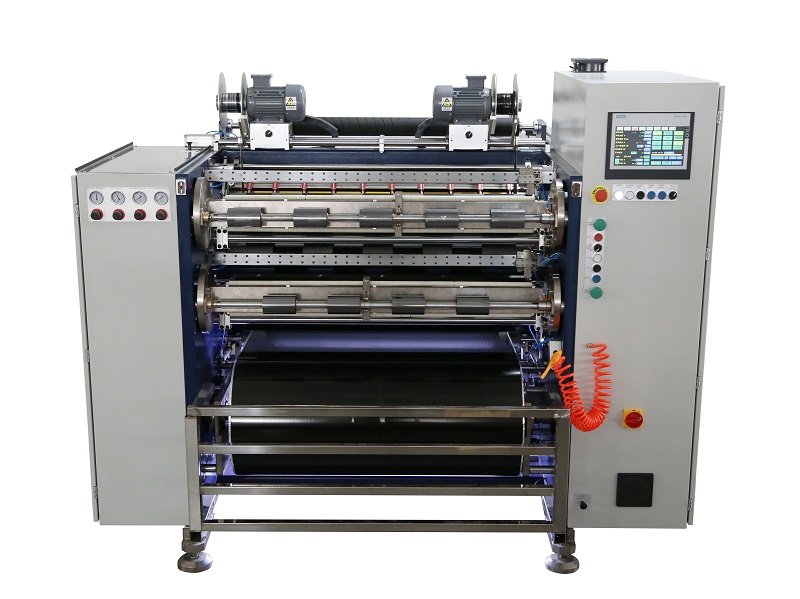 Fully Automatic TTR Slitter RSDS8 Plus
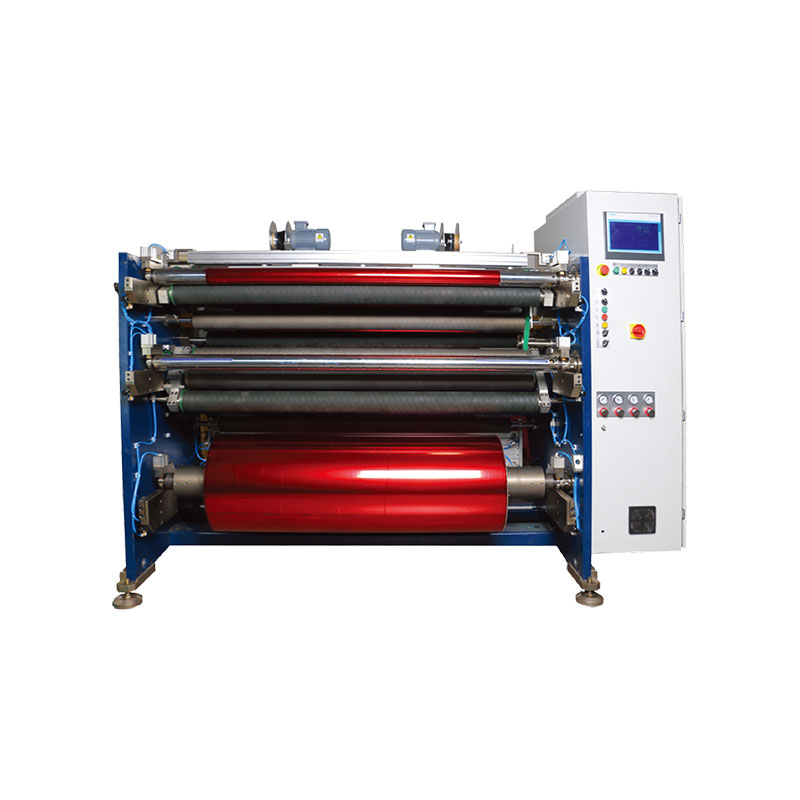 Hot Stamping Foil Slitter 1600mm
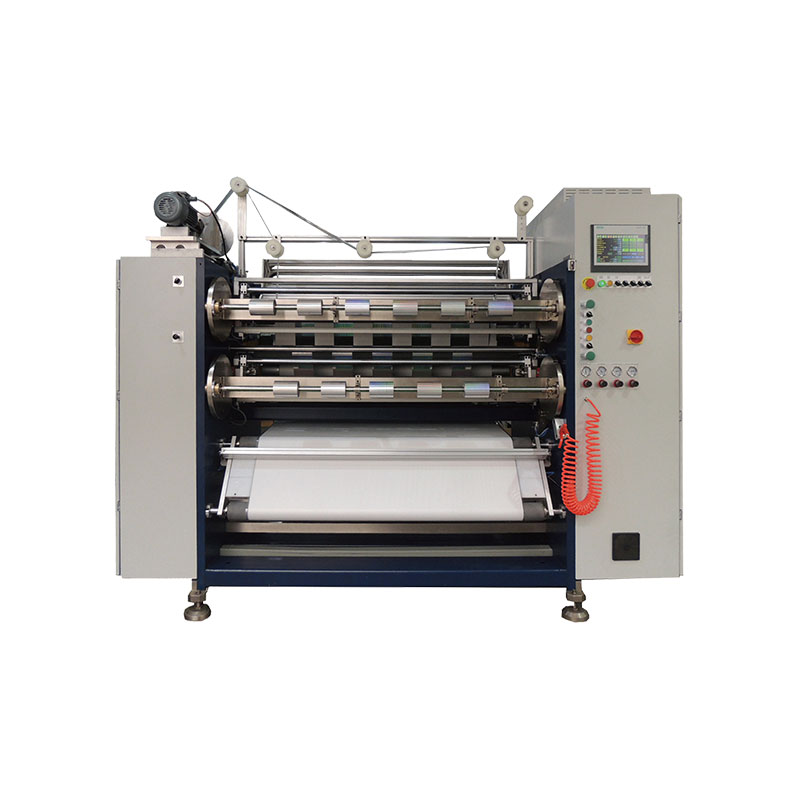 Hot Stamping Foil Slitter (4 Shafts)
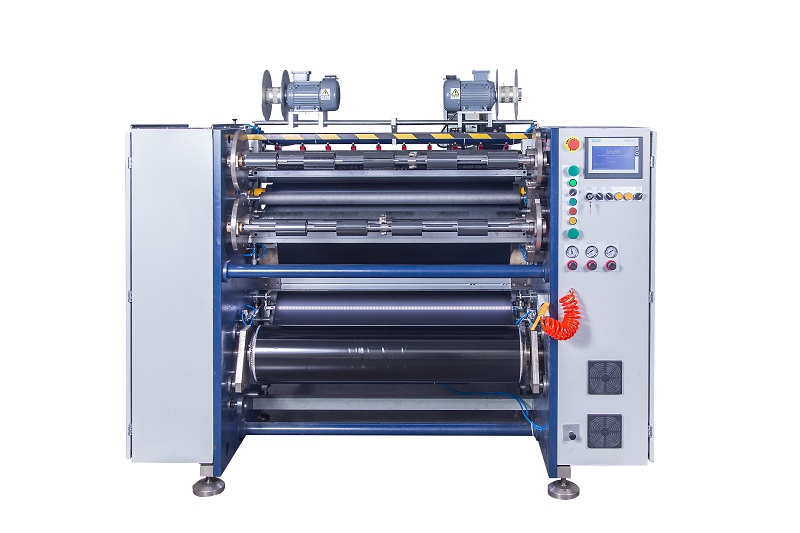 Semi-Auto TTR Slitter RSDS2 Plus
 Semi Automatic TTR Slitter RSDS5 Plus
 Manual TTR Slitter RSDS2
 Auto Paper Core Cutter
 Film Slitting Machine



 +86 135 9951 7291
 support@delishgroup.com
 +86 135 9951 7291