25. August, 2026delish0
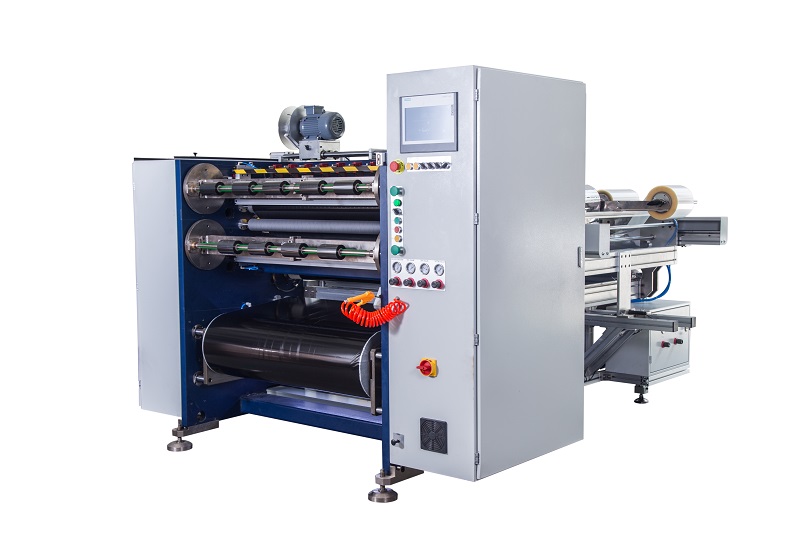
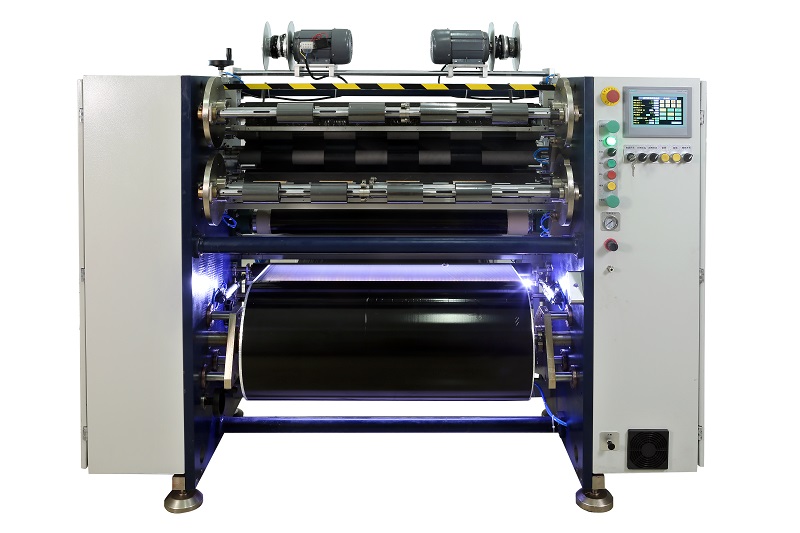
In the thermal transfer label printing industry chain, ribbon slitting machines may be the least prominent segment. However, it is precisely this device that "breaks down wide-format master rolls" into smaller parts quietly sets the "lower limit" for label printing quality. For label printing factories, ribbon slitting machines are no longer just simple slitting tools, but rather precision equipment that integrates materials science, precision machinery, and intelligent control.
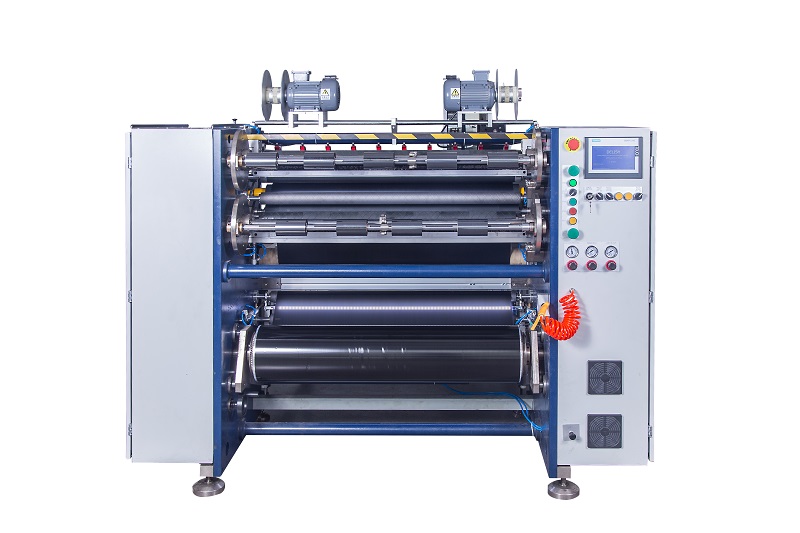
Accuracy: Evolution from ±0.3mm to ±0.05mm
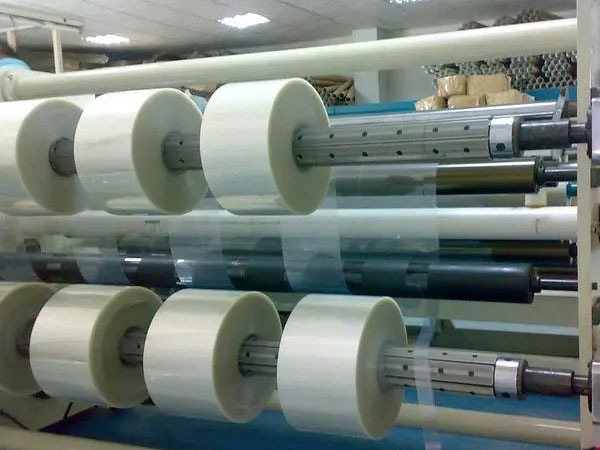
The core challenge of ribbon slitting lies in its extremely thin and fragile substrate. The ribbon substrate is usually polyester film with a size of 4.5-6 microns. During slitting, even slight fluctuations in tension can cause stretching deformation or "serpentine" deviation.
Modern specialized slitting machines solve this problem through constant tension closed-loop control systems. Servo motors combined with tension sensors enable precise millibull-level tension control throughout the entire process from unwinding to rewinding. Combined with a high-precision correction system (photoelectric sensors monitor edges in real time, with accuracy up to ±0.05mm), ensuring a straight slitting path.
At the tool level, ribbons made of different materials require completely different treatment methods:
• Wax-based ribbon (the softest coating): During slitting, frictional heat easily causes "wax overflow" or adhesion, requiring extremely sharp blades and effective cooling.
• Mixed-based carbon ribbon (most widely used): mainly needs to solve "burrs" and "powder shedding" issues, requiring extremely high tension stability.
• Resin-based ribbons (hard and brittle texture): If not properly controlled during slitting, "edge chipping" can easily occur, so instant cutting must be used.
High-end equipment uses servo-driven slitting tool holders to keep slitting width errors within ±0.1mm, while smart models equipped with visual inspection push accuracy to the ±0.05mm level.
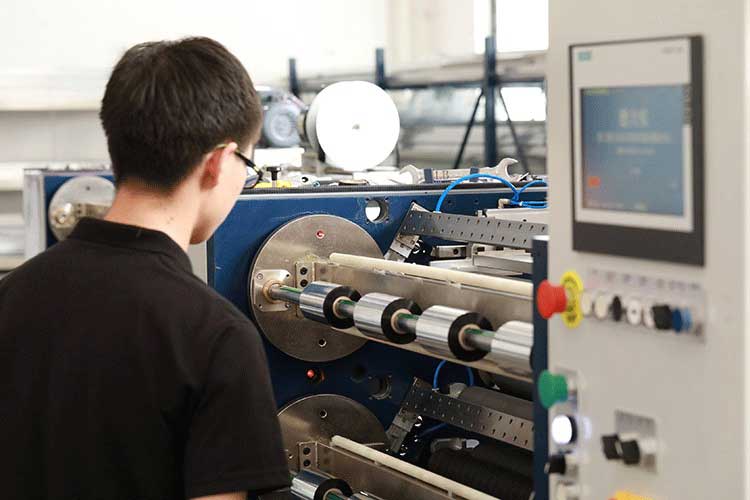
Intelligent: Online inspection and the goal of "zero defects."
Traditional slitting relies on manual spot checks, with defect detection rates usually not exceeding 70%. Intelligent slitting machines equipped with visual inspection systems are pushing the industry toward the goal of "zero defects."
The core of these devices is online full inspection: industrial cameras scan the ribbon surface at speeds over 200 frames per second, with a resolution of 10μm/pixel, combined with AI algorithms (such as YOLO or CNN) to identify defects such as burrs, stains, and scratches in real time. Once a defect segment is found, the system can automatically mark and remove it, enabling full-process defect map traceability, reducing the defect rate from 3%-5% in traditional processes to below 0.1%.
At the operational level, the intelligent control system transforms "veteran experience" into replicable parameters. Operators set parameters such as width, length, and speed via the touchscreen; the system automatically calculates tension and buffer distance, dynamically adjusting during acceleration and deceleration phases.
Narrower Width: Precisely matching small batch and customized demands
The label printing market is showing a trend of "small batches, multiple varieties, and short lead times," with increasingly refined demand for carbon band widths.
The narrow ribbon slitting machine (optimized for 40mm-200mm specifications) has the following advantages over general equipment:
1. Maximized material utilization: Precise slitting reduces edge scrap, converting finished product inventory into wide-width header stock, significantly lowering capital occupation.
2. Endface Quality Assurance: Narrow carbon ribbons require higher end-face flatness. Specialized equipment uses aerospace-grade cemented carbide circular blades to control end-face flatness at the micron level, ensuring that high-density barcodes (such as DM codes, QR codes) are printed without edge edges during ink transfer.
3. Seamless connection with subsequent processes: Accurately rewinding according to the printer's standard roll core (1 inch or 0.5 inches), ensuring consistent roll surface tightness, enabling end users to "load and type immediately, zero adjustment."

Key considerations in equipment selection
When selecting ribbon slitting machines, label printing factories are advised to focus on the following points:
• Slitting accuracy and stability: Whether the slitting width error meets common specification requirements (usually ± within 0.1mm).
• Material compatibility: Whether the equipment supports wax-based, mixed, resin-based, and other materials, and whether blade materials and blade group designs can be switched quickly.
• Level of automation: Whether it is equipped with features such as automatic deviation correction, constant tension control, and touchscreen parameter settings to reduce manual intervention.
• Inspection capability: For high-demand orders, whether a visual inspection system can be integrated to enable online defect identification and rejection.
It is worth noting that domestic manufacturers such as Xiamen Delish have achieved technological breakthroughs in this field, with their TTR slitting equipment holding a dominant position in the global market and products sold in over 100 countries and regions. This marks that Chinese manufacturing now has the strength to compete on par with international brands in the field of precision slitting.
For label printing factories, ribbon slitting machines are not just "cutting" equipment, but strategic tools for ensuring print quality, improving material utilization, and expanding customized markets.
 English
 Deutsch
 Français
 Español
 Português
 日本語
日本語 русский
 한국어
한국어 عربي
عربي ภาษาไทย
 Tiếng Việt
 Italiano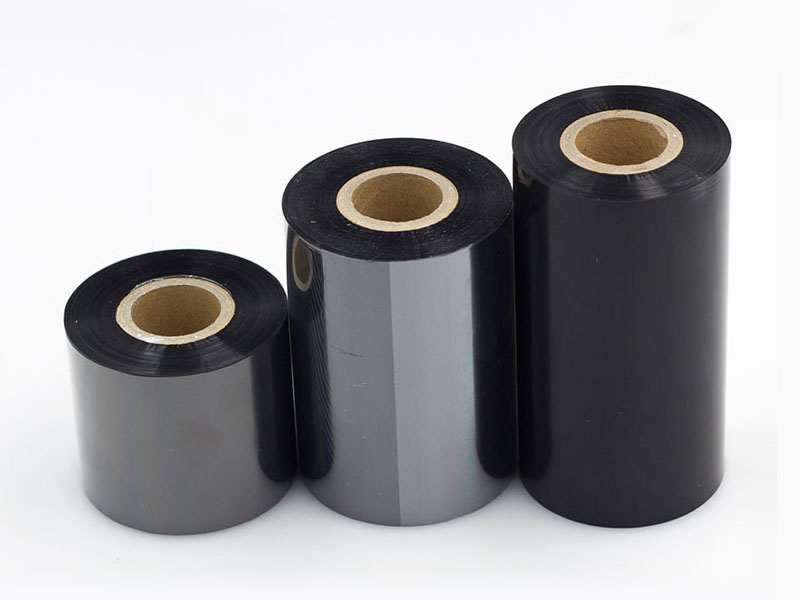
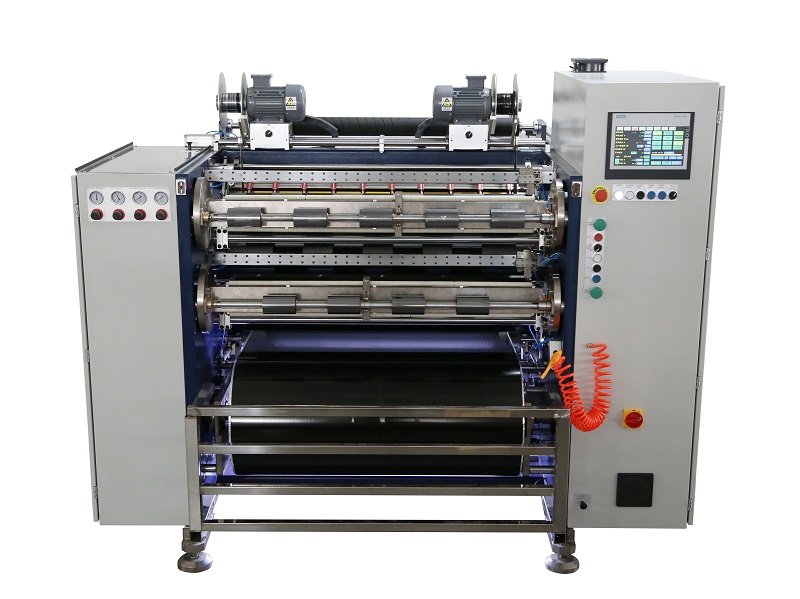 Fully Automatic TTR Slitter RSDS8 Plus
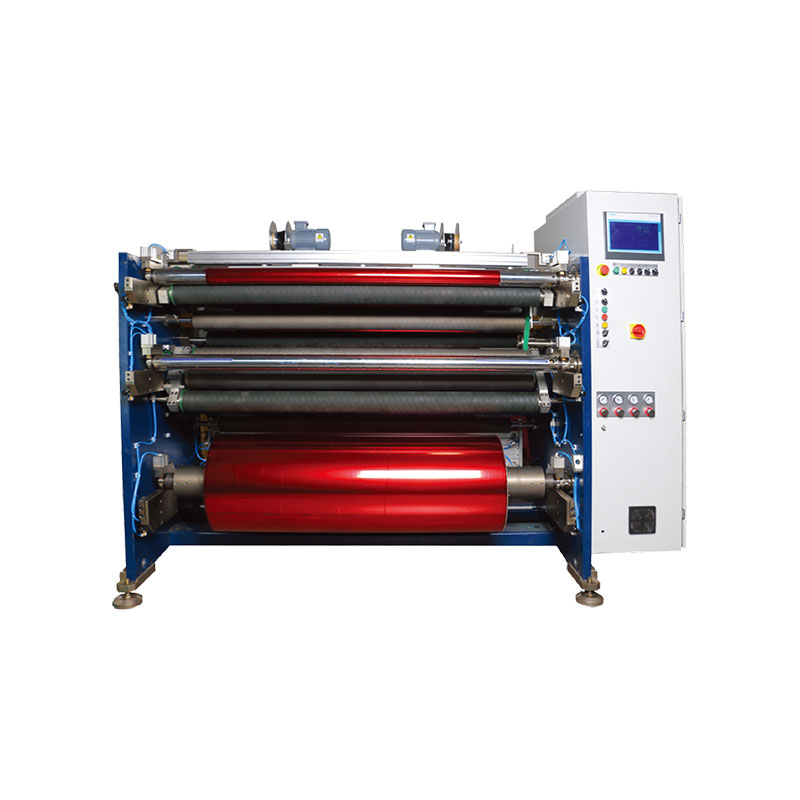 Hot Stamping Foil Slitter 1600mm
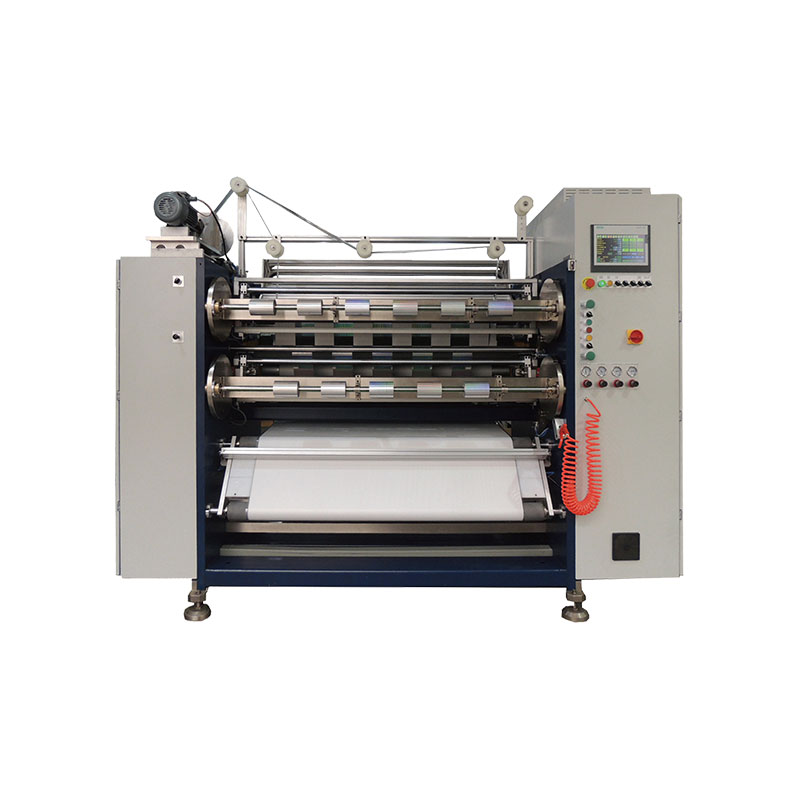 Hot Stamping Foil Slitter (4 Shafts)
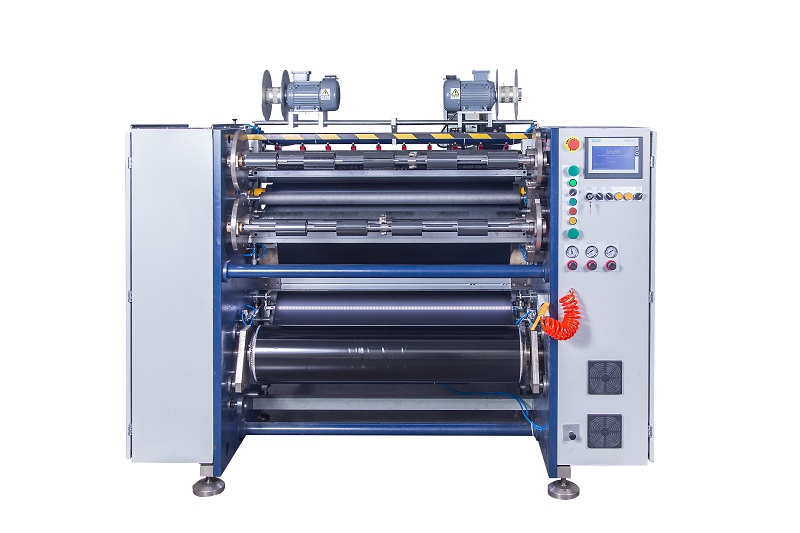 Semi-Auto TTR Slitter RSDS2 Plus
 Semi Automatic TTR Slitter RSDS5 Plus
 Manual TTR Slitter RSDS2
 Auto Paper Core Cutter
 Film Slitting Machine



 +86 135 9951 7291
 support@delishgroup.com
 +86 135 9951 7291