25. August, 2026delish0
Barcode labels are everywhere in retail checkouts, logistics warehouses, hospital pharmacies, and even industrial production lines. These seemingly ordinary black and white stripes actually rely on a precise heat transfer printing system, and one of the most critical consumables is the ribbon. However, a single roll of ribbon master roll, nearly one meter wide and hundreds of meters long, must undergo a process that combines precision and ingenuity to transform into a small roll adapted to different printer specifications—slitting. The ribbon slitting machine is the core of this process; its work quality directly determines the clarity, stability, and print head lifespan of the barcode printing.
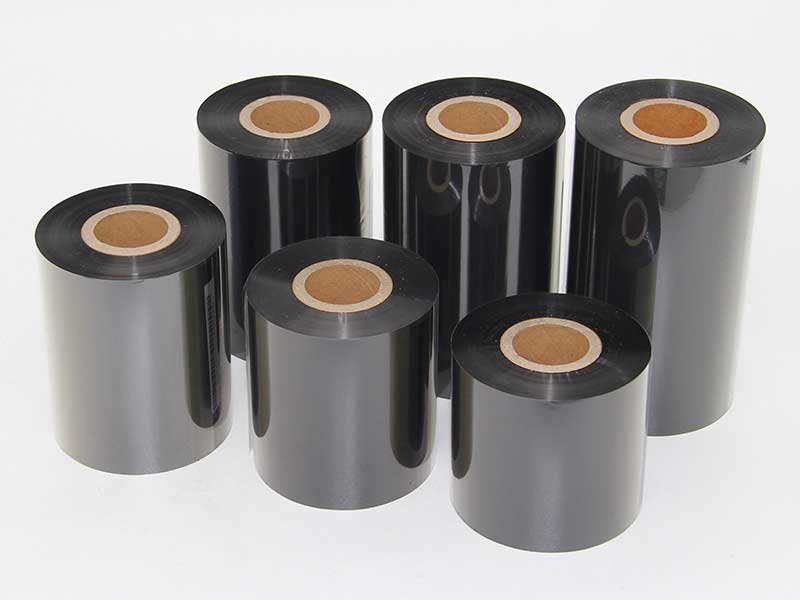
From mother roll to finished product: the precise collaboration of slitting machines
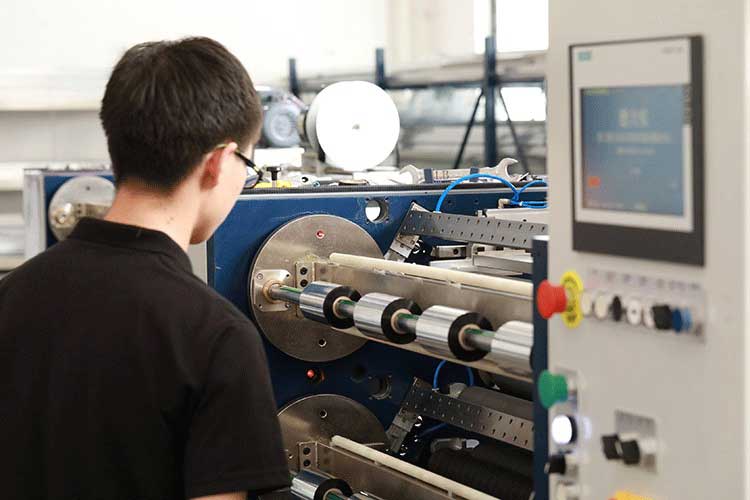
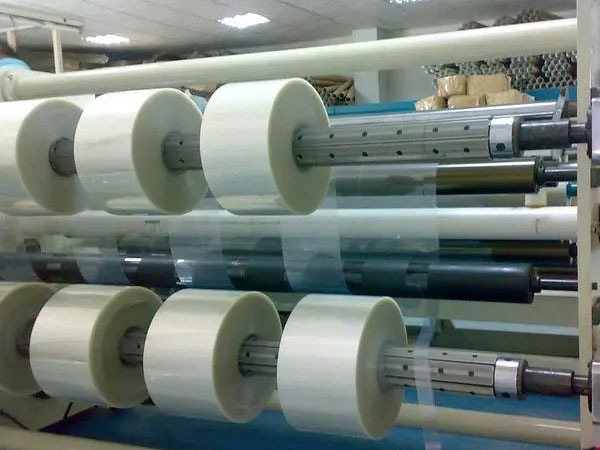
The task of a ribbon slitting machine may seem simple—to lengthwise slice wide, large-rolled ribbons into narrow rolls of specific widths and rewind them, but the technical complexity is not to be underestimated. Modern ribbon slitting machines are precision devices that integrate unwinding, slitting, rewinding, and control. Their workflow begins with the unwinding device smoothly unrolling the main roll. At this point, the correction system uses photoelectric or CCD sensors to monitor the ribbon edges in real time, dynamically adjusting their position to ensure the subsequent slitting path is straight—this is the first line of defense for width consistency.
The slitting unit is the core of the equipment. The mainstream uses circular blade slitting, using high-speed rotary cutting with carbide or ceramic blades, suitable for most types of ribbons; For resin-based carbon ribbons that are hard and brittle in texture, flat blade slitting (suspended cutting) may be used to achieve instant cutting and avoid microcracks or "edge chipping." After slitting, multiple narrow strips are immediately wound by the winding device onto the small roll core, while the dust removal device removes debris generated by slitting to prevent contamination of the ribbon surface.
The Three "Lifelines" That Determine Quality
Slitting is not simply about cutting; tension control, uniformity, and cleanliness are the three key dimensions that determine the quality of the finished ribbon.
Among these, tension control is considered the "soul" of the slitting process. The base material for the ribbon is PET film with a thickness of only 4.5 to 10 microns, which is extremely sensitive to tension. If the tension is too high, the base film will stretch and deform, damaging the ink layer, causing powder shedding during printing and contaminating the print head; If the tension is too low, the roll becomes loose and wrinkled, resulting in white lines or indentations during printing. High-end equipment uses servo motors combined with taper tension control technology, dynamically decreasing tension as the coil diameter increases, ensuring consistent tightness inside and outside the finished coil.
Uniformity is equally crucial. The ribbon must be completely flat and parallel to the die during rewinding to ensure even force distribution during high-speed operation and prevent edge breakage due to stress. In addition, cleanliness is also an invisible threshold. Ribbon easily absorbs dust during production, and contaminated ribbons can develop white spot defects during printing. Therefore, slitting workshops often need to be equipped with a dust-free environment.

Adapting to multiple scenarios to meet material challenges
The value of ribbon slitting machines ultimately lies in their adaptability to different application scenarios and material types. In the logistics industry, it needs to be cut out to fit 110mm wide waybill printers to support e-commerce express delivery demands for high definition and wear resistance; In cold chain transportation, it must handle special ribbons and label materials that are resistant to low temperatures and moisture; In cross-border logistics scenarios, high-resolution ribbons need to be cut to support clear printing of international barcodes and multilingual small fonts.
Different materials of ribbons have different slitting challenges. The wax-based ribbon coating is soft, and friction during slitting can easily cause edge adhesion, requiring cooling and dust removal; Mixed-base ribbons are the most widely used but face challenges of burrs and powder shedding, requiring extremely high tension stability; Resin-based ribbon coatings are hard and brittle, and improper cutting can easily cause chipping, requiring instant cutting and strict control of impact force. Modern slitting machines use intelligent control systems to preset slitting parameters for different materials, balancing efficiency and quality.
Conclusion
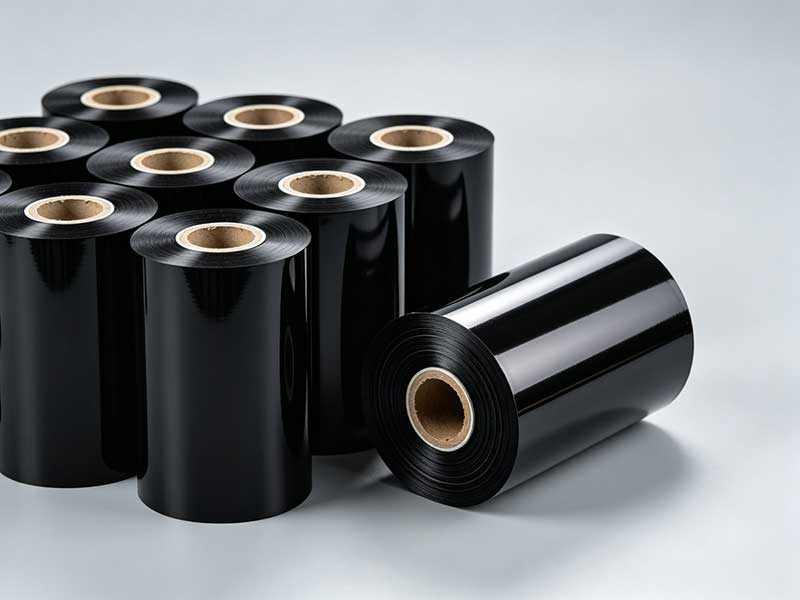
The reliability of barcode printing starts with the small space of ribbon slitting. The ribbon slitting machine transforms wide master rolls into finished ribbons that meet various printer specifications through high-precision mechanical design, intelligent tension and correction control, and a deep understanding of material properties. It is not only a key link connecting ribbon production and terminal printing, but also a behind-the-scenes guarantee that every barcode can be accurately read and every piece of information is reliably transmitted.
 English
 Deutsch
 Français
 Español
 Português
 日本語
日本語 русский
 한국어
한국어 عربي
عربي ภาษาไทย
 Tiếng Việt
 Italiano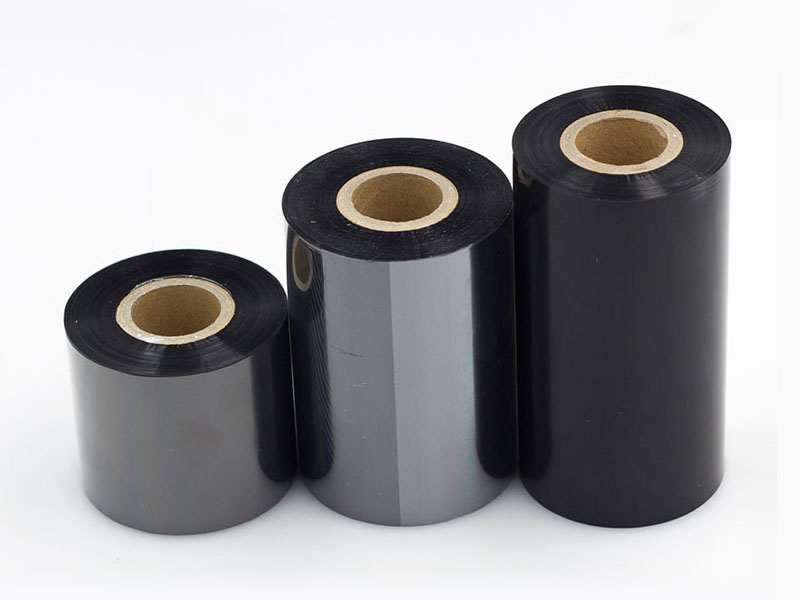
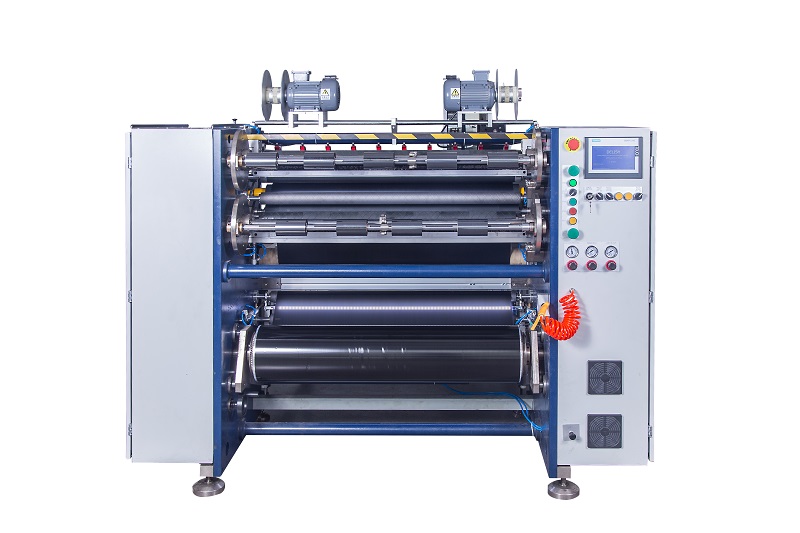
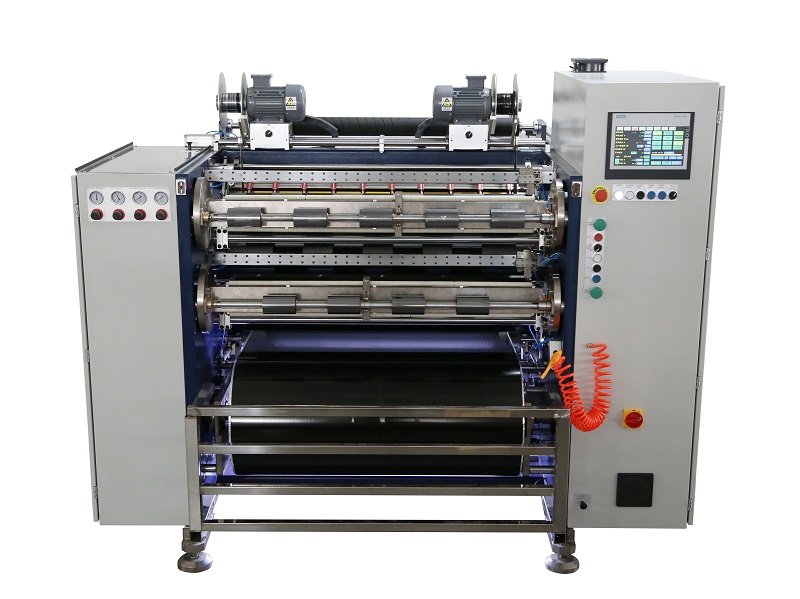 Fully Automatic TTR Slitter RSDS8 Plus
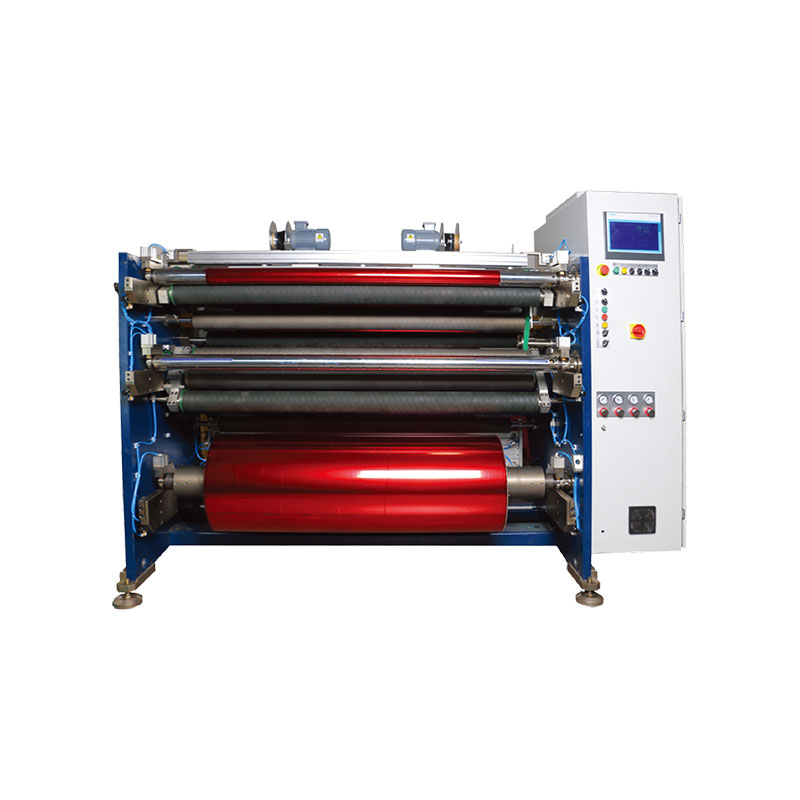 Hot Stamping Foil Slitter 1600mm
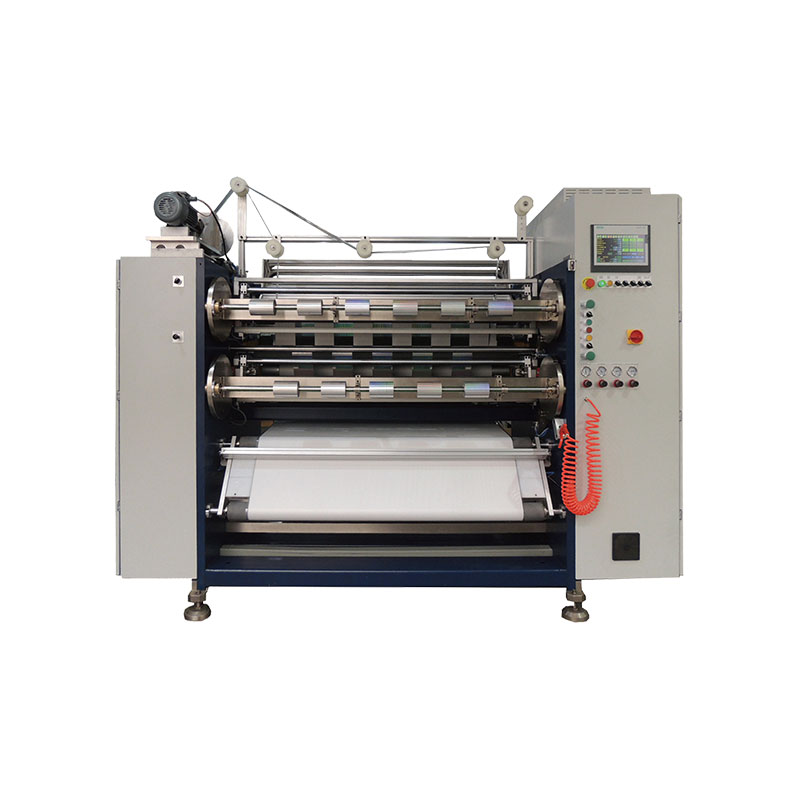 Hot Stamping Foil Slitter (4 Shafts)
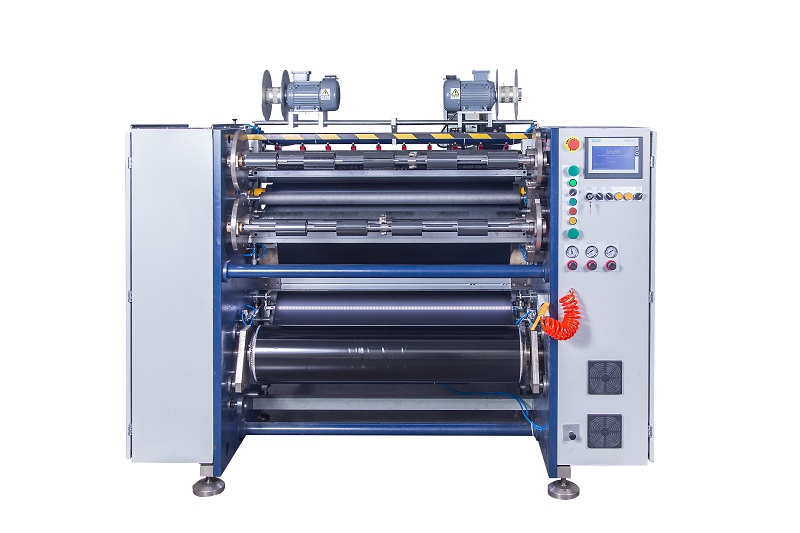 Semi-Auto TTR Slitter RSDS2 Plus
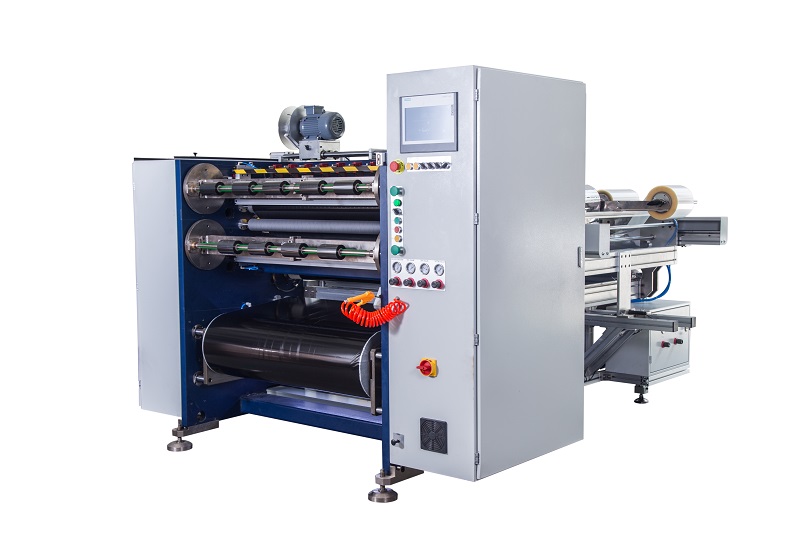 Semi Automatic TTR Slitter RSDS5 Plus
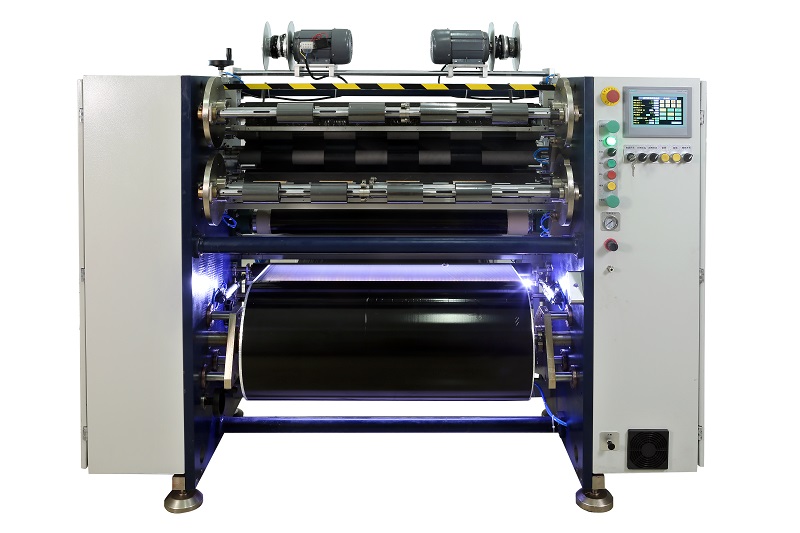 Manual TTR Slitter RSDS2
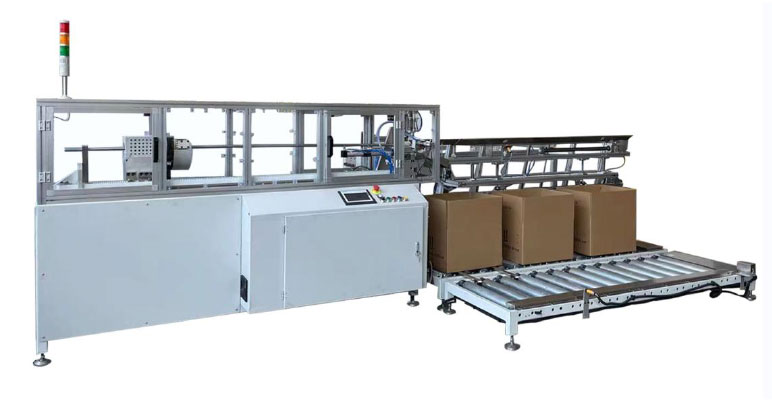 Auto Paper Core Cutter
 Film Slitting Machine



 +86 135 9951 7291
 support@delishgroup.com
 +86 135 9951 7291