23. September, 2026delish0
In the thermal transfer printing industry chain, ribbon slitting machines occupy a position that is often overlooked but is crucial. It cuts the wide main roll into the narrow roll specifications required by the terminal printer, and the slitting quality directly determines the printing performance of the ribbon after it is installed. The first watershed in choosing a model isn't speed or brand, but rather — which type of ribbon do you mainly cut?
Wax-based, blended, and resin-based ribbons may look similar, but differences in coating formulations result in vastly different physical properties. If the equipment is chosen incorrectly, wax bases will overflow and stick, resin-based materials will chipped edges and shed powder; even the highest precision parameters cannot restore the finished product rate.
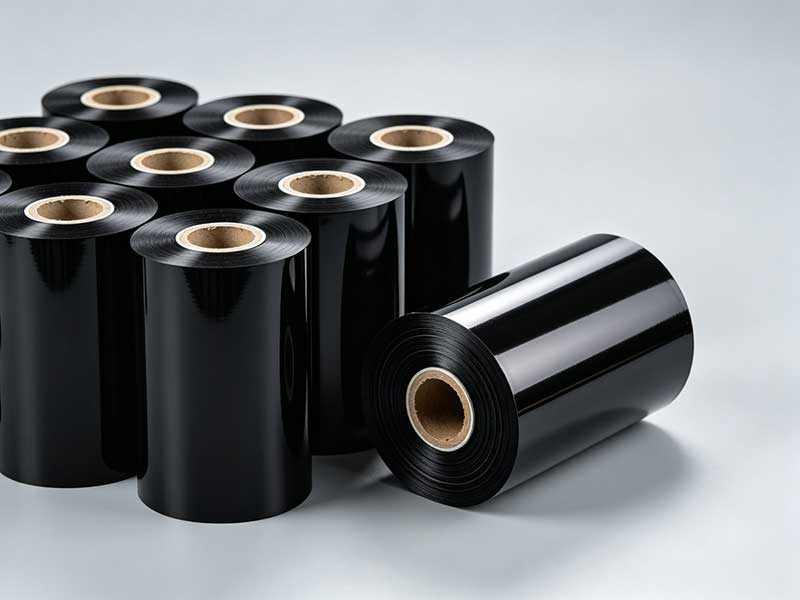
The "character" differences among the three types of ribbons
To understand the selection logic, you must first grasp the "temperament" of the materials.
Wax-based ribbons are the most widely used category on the market, accounting for about 70% of the market share. It is mainly made of wax and carbon black, with a soft coating and low melting point, strong adhesion to paper-based labels, and cost-effective. However, this softness is precisely a challenge during slitting: friction generates heat, which easily causes edge "wax overflow" or interlayer adhesion. The material is extremely sensitive to tension and can stretch and deform if not careful.
Mixed-based ribbons are made by blending wax and resin, balancing adhesion and durability, making them currently the most widely used category. Its slitting challenge lies in the "doctrine"—neither as arbitrary as wax-based nor as extreme as resin-based. The main issue is to solve the issues of "rough edges" and "powder shedding." Although the requirements for tension control are not particularly strict, they must be extremely stable.
Resin-based ribbons are made entirely of resin, with the hardest coating, offering excellent chemical corrosion resistance, high temperature resistance, and scratch resistance, suitable for harsh scenarios such as PET labels, washable labels, and heat-generating areas of electrical appliances. However, its tough and brittle "temperament" makes it the most challenging during slitting: the tool wears out very quickly, and improper control can easily cause "chipped edges" or microcracks; It is extremely sensitive to static electricity and easily attracts dust, causing white spots in printing.
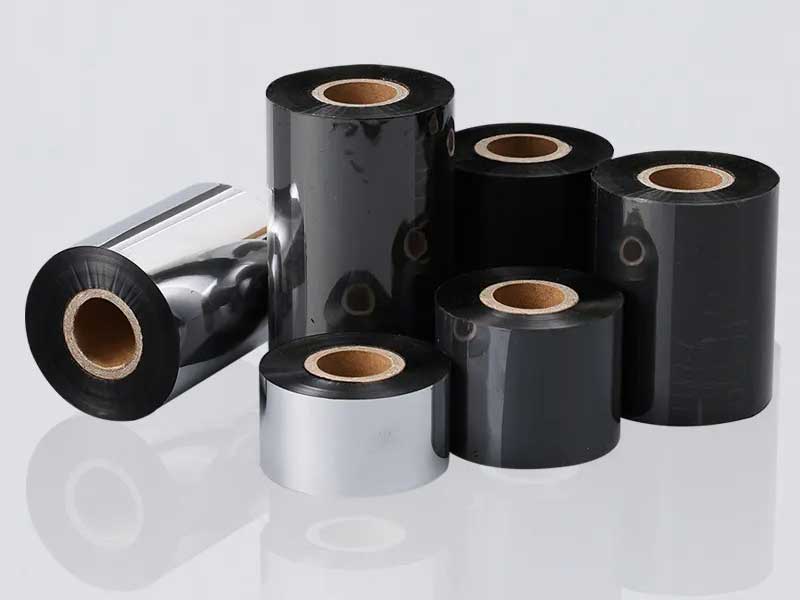
"Tailoring Instruction" to Slitting Machines
Faced with these three distinctly different materials, the slitting machine's adaptation is reflected in three core dimensions: tension, knife technique, and environment.
Tension control is the soul of the slitting machine. The carbon ribbon base film is extremely thin, usually between 4-10 microns; even slight fluctuations in tension can cause stretching, deformation, or uneven retraction. The differentiation strategy is: wax-based ribbons require low tension (usually 5-10N) to prevent tensile fracture; Resin-based ribbons require high tension (15-30N) to ensure flatness. The winding area also needs taper control, with slightly higher initial tension that decreases linearly as the diameter increases, ensuring consistent tightness between the inner and outer layers.
The cutting tool and cutting method directly determine the quality of the cut. To address the softness of wax-based materials, rotary cutter rolling is usually used, employing a "scissor style" to reduce material compression; For brittle resin-based materials, the preferred choice is the flat blade suspended cutting, which uses a sharp edge to achieve instant cutting and avoid chipping. Blade material is equally crucial: high-frequency steel blades are suitable for wax-based applications, while diamond-coated or tungsten carbide inserts are essential for resin-based blades, extending their service life several times over. Slitting speed also varies by material: wax-based materials can operate at high speeds (150-200 m/min), while resin-based ones need to be reduced to 50-100 m/min.
Environmental and auxiliary systems are especially important for resin bases. Cleanroom workshops and constant temperature and humidity environments can reduce layer misalignment caused by material expansion and contraction. The peeling voltage for resin-based ribbons is extremely high during high-speed slitting, so static elimination rods must be installed before winding to prevent dust adsorption; Fine dust generated by slitting must be removed by vacuum adsorption devices.

Decision-making framework for selecting machines according to "material."
The key to choosing a model is to match the equipment configuration with the type of ribbon you mainly use.
Focusing on wax-based and mixed-base general processing, conventional circular blade slitting machines can meet most needs, offering the highest cost performance. Focus on circular tool configuration and tension stability, without excessive pursuit of hard tools or complex static elimination systems.
Resin-based ribbons are the main focus, and the center of gravity must be shifted upward. Prioritize three configurations: blade material (tungsten steel or ceramic/DLC coating), vacuum and static elimination systems, and stable tension attenuation capability. Resin-based ribbons also require higher slitting precision, with errors controlled within ±0.1mm or even ±0.05mm, which ordinary equipment (±0.5mm) cannot handle.
For ultra-thin ribbons (thickness <5μm) or special types (such as washable labeled ribbons and multilayer composite ribbons), mechanical contact slitting may cause tensile scrapping, so laser or ultrasonic slitting and other non-contact solutions should be considered. Washable label ribbons also require extra attention to round blade configuration and static elimination functions to address issues of edge fuzzing and fiber shedding.
A neglected selection principle
A common misconception in selecting ribbon slitting machines is excessive focus on the equipment's "maximum nominal speed." Because resin-based ribbons have a harder coating, the actual operating speed usually needs to be 20%-30% lower than the nominal value to ensure cut quality. True efficiency isn't about the numbers on the dashboard, but about balancing speed and yield.
Another easily underestimated aspect is on-site prototyping. Carrying our own mother rolls for trial cutting, focusing on edge quality and stability at high-speed start-stop conditions at the narrowest and widest specifications, is far more reliable than studying parameter tables. Slitting machines seek a balance between precision, efficiency, stability, and cost. There is no "best" equipment, only solutions that best match the characteristics of your materials.
Ultimately, whether wax-based, blended, or resin-based, the answer isn't in the equipment manual, but in your order structure. Only by clearly identifying your main ingredients can you choose the right "knife."
 English
 Deutsch
 Français
 Español
 Português
 日本語
日本語 русский
 한국어
한국어 عربي
عربي ภาษาไทย
 Tiếng Việt
 Italiano
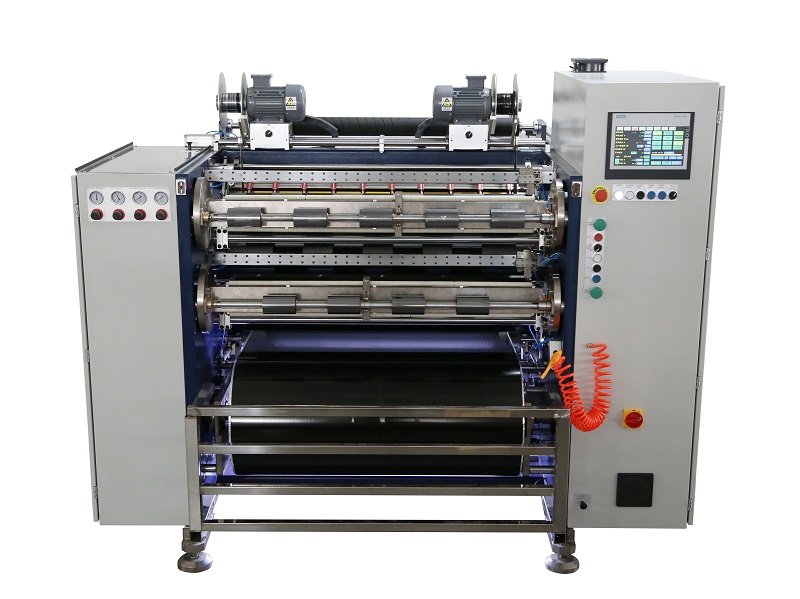 Fully Automatic TTR Slitter RSDS8 Plus
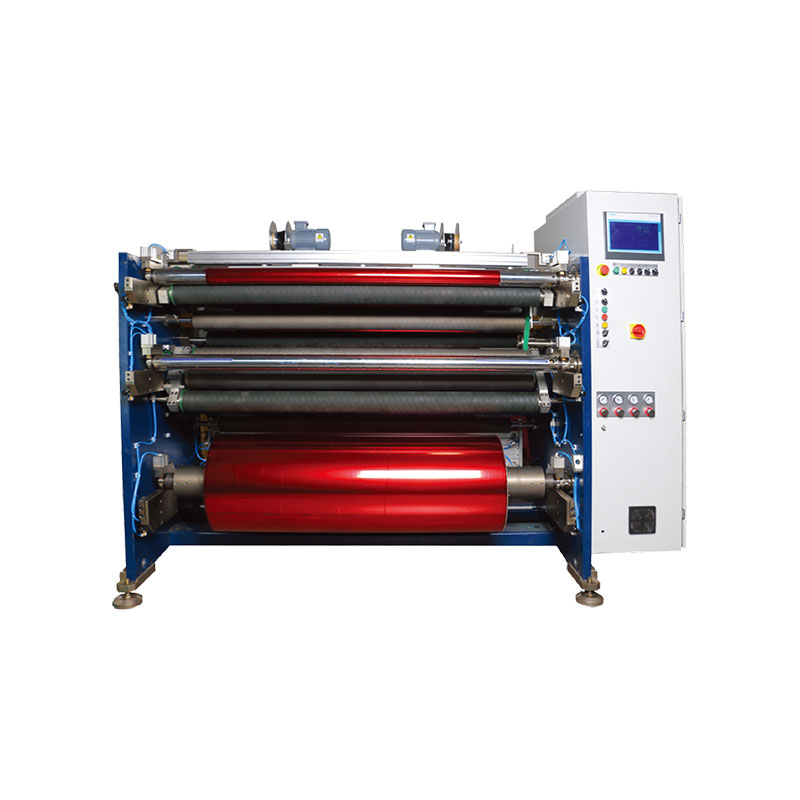 Hot Stamping Foil Slitter 1600mm
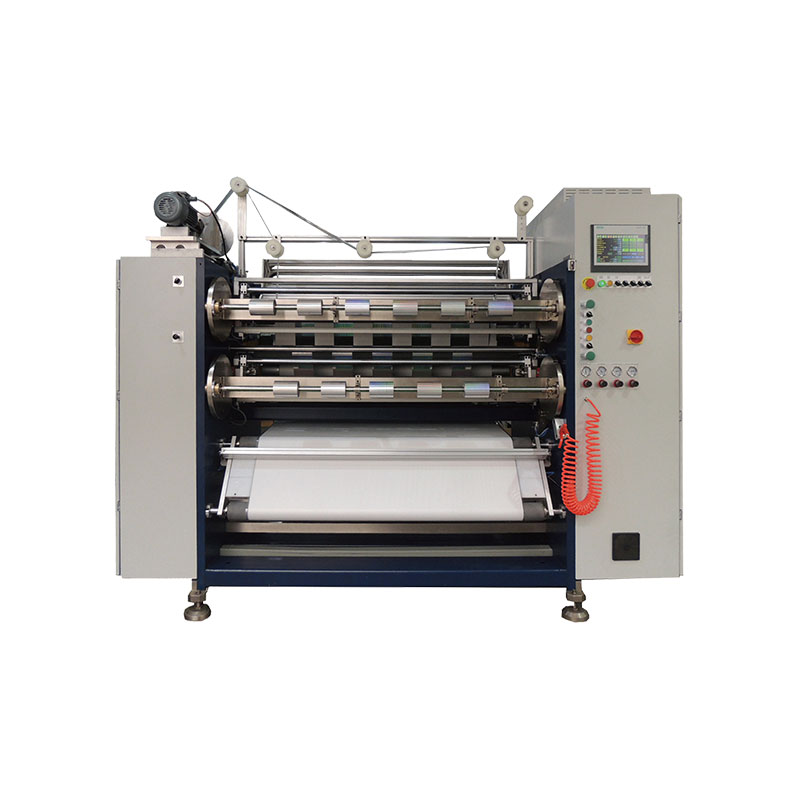 Hot Stamping Foil Slitter (4 Shafts)
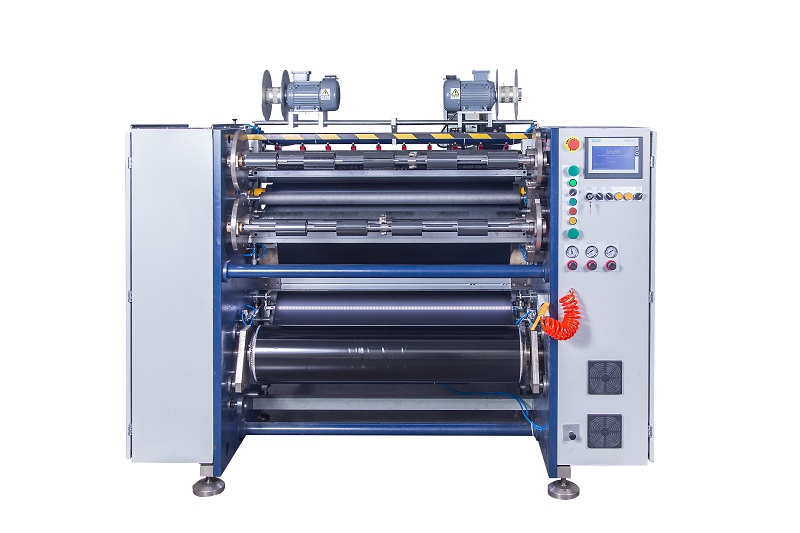 Semi-Auto TTR Slitter RSDS2 Plus
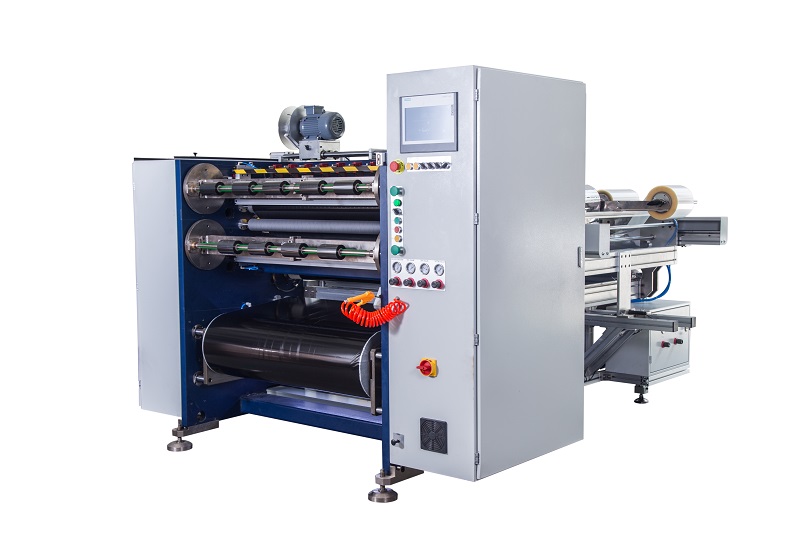 Semi Automatic TTR Slitter RSDS5 Plus
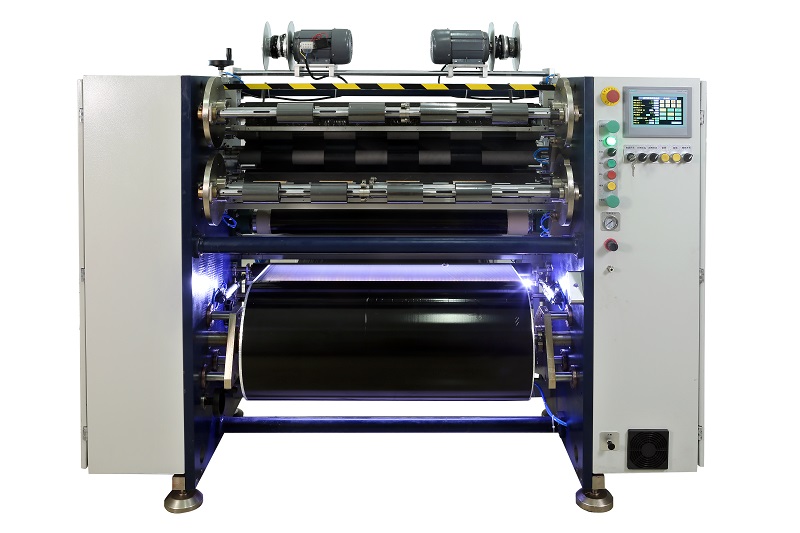 Manual TTR Slitter RSDS2
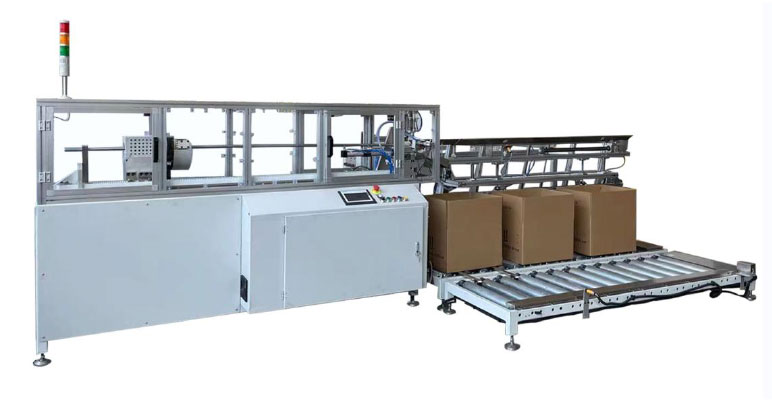 Auto Paper Core Cutter
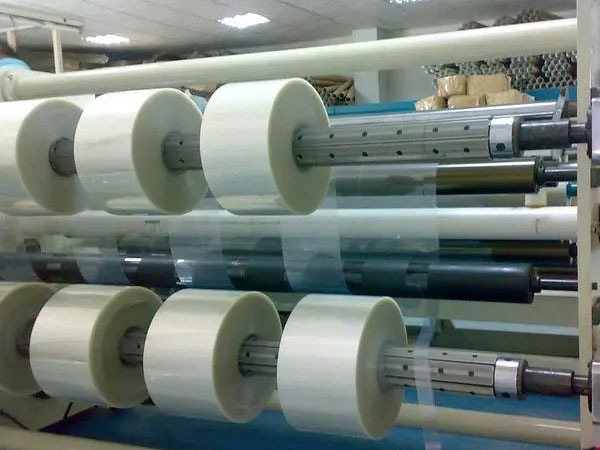 Film Slitting Machine



 +86 135 9951 7291
 support@delishgroup.com
 +86 135 9951 7291