24. September, 2026delish0
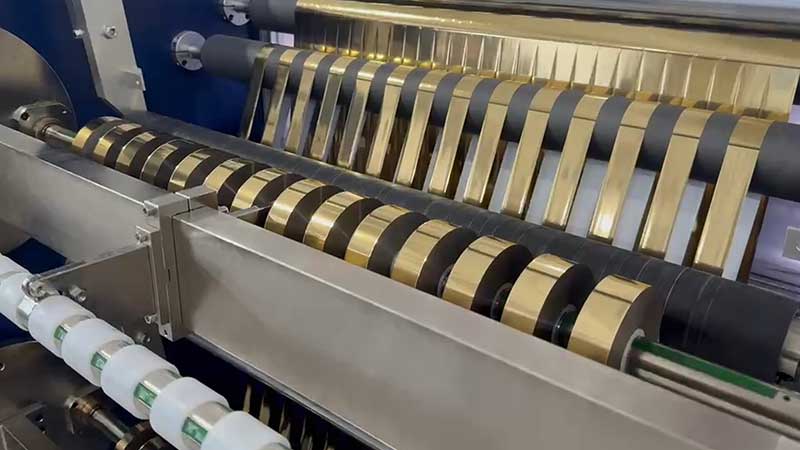
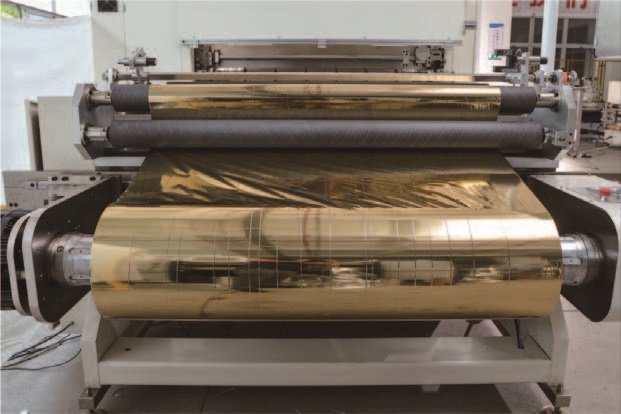
In the hot stamping process, the slitting step is often overlooked, yet it directly determines the quality of subsequent hot stamping. Foil foil, with a thickness of only 12–30μm, is made by combining PET base film, release layer, aluminum coating, and adhesive layer, making it extremely fragile. Once burrs appear on the slitting edges, high-speed hot stamping can cause "gold flying," foil breakage, or even complete line shutdowns. Faced with the wide variety of promotions in the market, buyers only need to focus on five core dimensions to avoid most pitfalls.
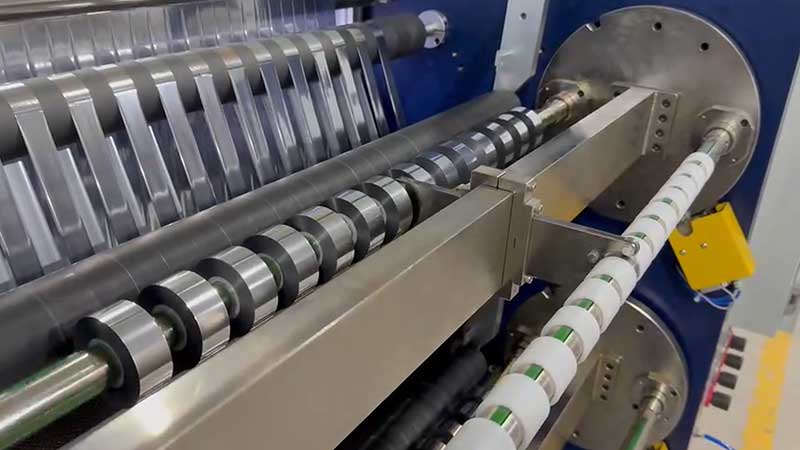
First: If you choose the right blade shape, you'll win half the cut
The first step in slitting gold foil foil is to decide whether to use a round knife or a flat knife.
Round knives (shear-type slitting) are the preferred choice for most hot stamping foil scenes. The upper and lower circular blades rotate in staggered positions, working on a principle similar to scissors, with smooth cuts and no compression deformation, producing almost no aluminum powder or debris. For ultra-thin hot stamping foil, laser foil, or optical decorative foil with a thickness ≤ 12μm, the round knife is almost the only choice.
Flat blades (compression cutting type) are only suitable for foil with a thickness of ≥30μm or for very small batch trial production. Vertical pressing of the flat blade can easily leave crushing marks on the foil edge, causing the blade edge to chipper and dust to contaminate the foil surface when cutting with aluminum powder layers. Although dies seem cheap, the combined costs of tool stoppage changes and rising scrap rates are often higher.
After selecting the round cutter, two other precision parameters need to be confirmed: the lateral clearance should be controlled at 5%–10% of the foil thickness, usually about 0.02–0.05mm; A recommended cutting edge angle of 15°–30°, combined with mirror polishing (roughness Ra≤0.1μm), can truly "cut" rather than "squeeze through" the foil. Preferred materials for knives should be cemented carbide (tungsten steel) or diamond coatings. Ordinary carbon steel knives will develop tiny cracks after several kilometers of cutting, directly damaging the foil surface.
Second: Tension control is the "lifeline" of thin slitting
A 12μm PET base film is thinner than a strand of hair; if tension is lost, it means the base film is stretched and deformed, leading to inaccurate registration during subsequent stamping, resulting in "misalignment" or gold thread breakage.
A closed-loop tension control system must be selected; open-loop or magnetic particle clutch models must be used with caution. The magnetic powder clutch reacts slowly, which can easily cause internal looseness and external tightness; The closed-loop system driven by servo motors can respond at milliseconds, with tension fluctuations controlled within 0.5N.
A key technology that is often overlooked is taper tension control. During winding, the coil diameter keeps increasing. If the tension remains constant, the outer foil coil will squeeze the inner layer like a tightening curse, causing the aluminum layer to shift or stick. A good system automatically reduces tension according to a preset curve (usually a tension decay rate of 15%–25%), ensuring even force distribution between the inner and outer layers. After applying this strategy, the scrap rate for uneven end-and-face products can be reduced by 40%–60%.
For narrow strip slitting with multiple spindles winding simultaneously, the slip shaft is a practical configuration, allowing independent adjustment for each winding station to avoid inconsistencies in tightness due to slight thickness differences between coils.
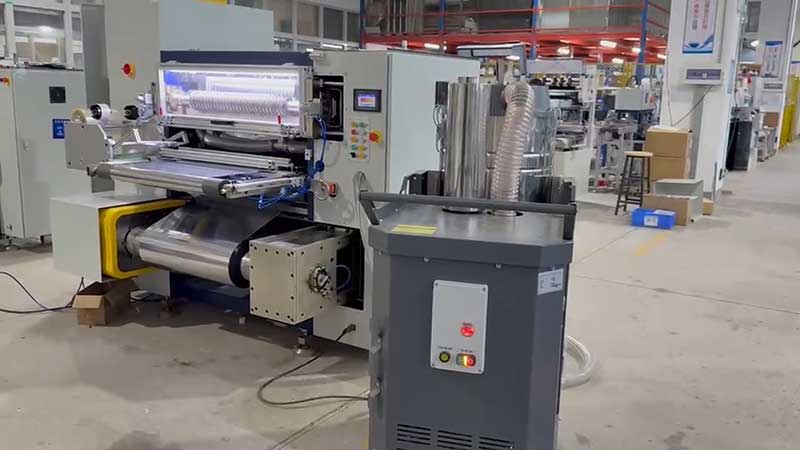
Third: Correction accuracy determines edge uniformity
If the foil strip deviates horizontally during feeding, the cutting position of the blade will shift, inevitably resulting in uneven rough edges on one side and less hairs on the other.
The accuracy of the correction system (EPC) should reach within ±0.1mm, and high-end models can achieve ±0.05mm. Photoelectric or CCD sensors scan the foil strip edges in real time, drive actuators for correction, and the response time should ideally be within 50ms.
Besides the correction system itself, the mechanical precision of the feeding path is equally important. If the parallelism of all guide rollers deviates too much (exceeding 0.05mm/m), the foil strip will be cut into the blade at an angle, and no matter how good the correction system is, it cannot be saved. When selecting a model, consider whether the equipment uses linear guide rails or air-floating guide rails, as these configurations can reduce mechanical friction and ensure smooth tool movement.
Fourth: Match the model according to foil width and order characteristics
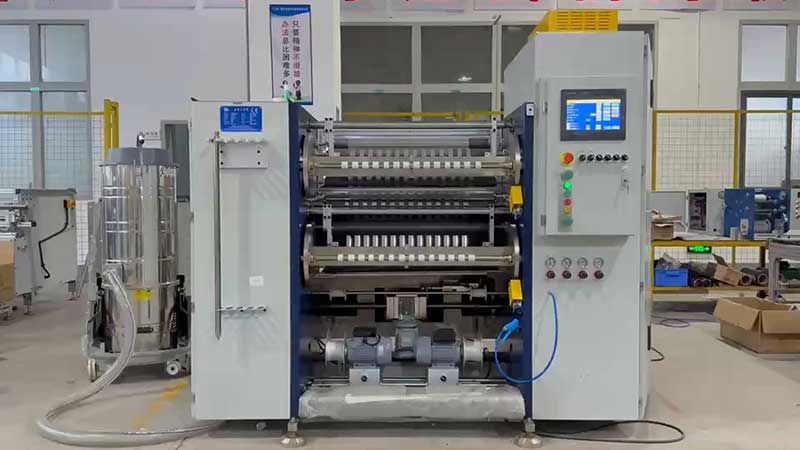
Wide slitting (>800mm) with heavy rigidity. When processing wide female rolls at the 1600mm level, the tool shaft tends to develop slight bends in the middle under heavy pressure, resulting in "incomplete middle cutting and edge cut misalignment." In such scenarios, priority should be given to models with thickened alloy steel wall panels and large-diameter blade shafts, as the total equipment weight often needs to reach several tens of tons to ensure high-speed stability.
Narrow-width slitting (<50mm) relay tool efficiency. Fine pattern jumping hot stamping often requires frequent switching between 10mm, 15mm, 20mm, and other specifications. Manual lock cutters are prone to dimensional deviations due to uneven locking force in narrow slitting; it is recommended to select hydraulic lock tool systems or high-precision slip shafts. If the order specifications are diverse, the automatic tool layout system can reduce order change times from hourly to minute-level changes.
If your product line includes both wide and narrow widths, consider models that support "tool turret grouping," allowing materials of different widths to be cut simultaneously on the same axis without interference.
Fifth point: Bring your own materials for a trial cut
The parameter table can be beautified, and on-site trial cutting is not deceiving.
When purchasing, be sure to bring the hot stamping foil you produce most often—especially the thinnest, narrowest, or the most demanding surface types—to the manufacturer for on-site proofing. Three key points to observe during trial cutting:
First, let's look at the incision. When examining the cross-section with a magnifying glass, the ideal condition is smooth, free of white fuzz, and the edges are straight. Fine serrations or burrs indicate insufficient tool precision or engagement amount.
Second, look at the winding end. After continuous operation, observe whether the winding is neat, and whether there are any "bell mouths," spiral patterns, or wrinkled edges. Face misalignment often signals shortcomings in tension control or deviation correction systems.
Third, the specific meaning of automated advertising. When suppliers claim to be "fully automated," they ask which specific steps are automated—automatic tension control, automatic deviation correction, or only automatic metering shutdown? A truly fully automated system should include features such as defect detection and intelligent correction, requiring that demonstrating a complete workflow is more reliable than just listening to an introduction.
In short: circular cutter priority, closed-loop tension, precise correction, width matching, trial cutting verification. The more expensive the hot stamping foil slitting machine, the better the core configuration matches your foil width, thickness, and order structure, resulting in higher long-term returns. The slitting ring saves scrap rates and commissioning time, allowing the equipment investment price difference to be recovered within half a year.
 English
 Deutsch
 Français
 Español
 Português
 日本語
日本語 русский
 한국어
한국어 عربي
عربي ภาษาไทย
 Tiếng Việt
 Italiano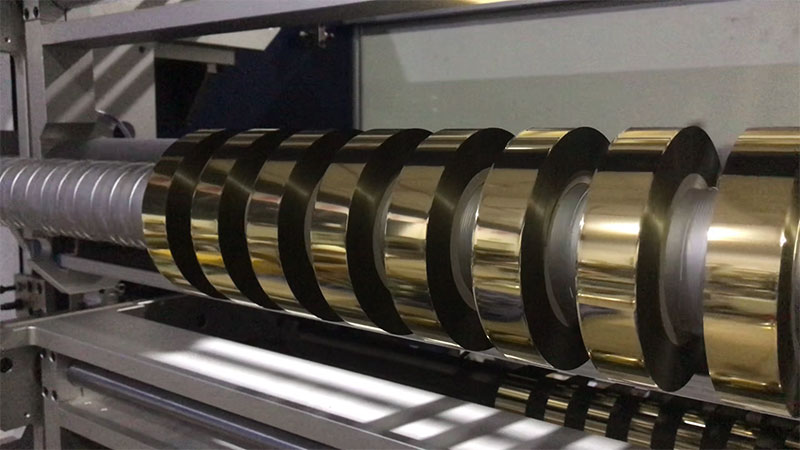
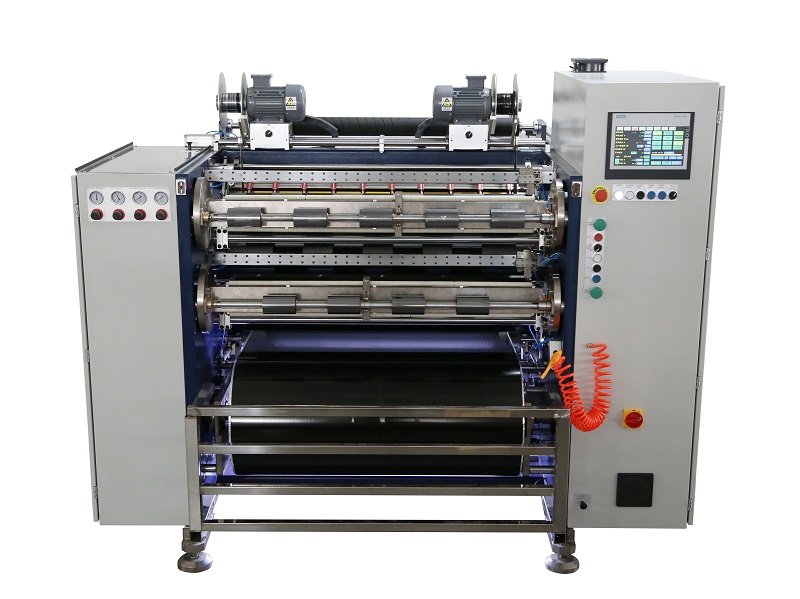 Fully Automatic TTR Slitter RSDS8 Plus
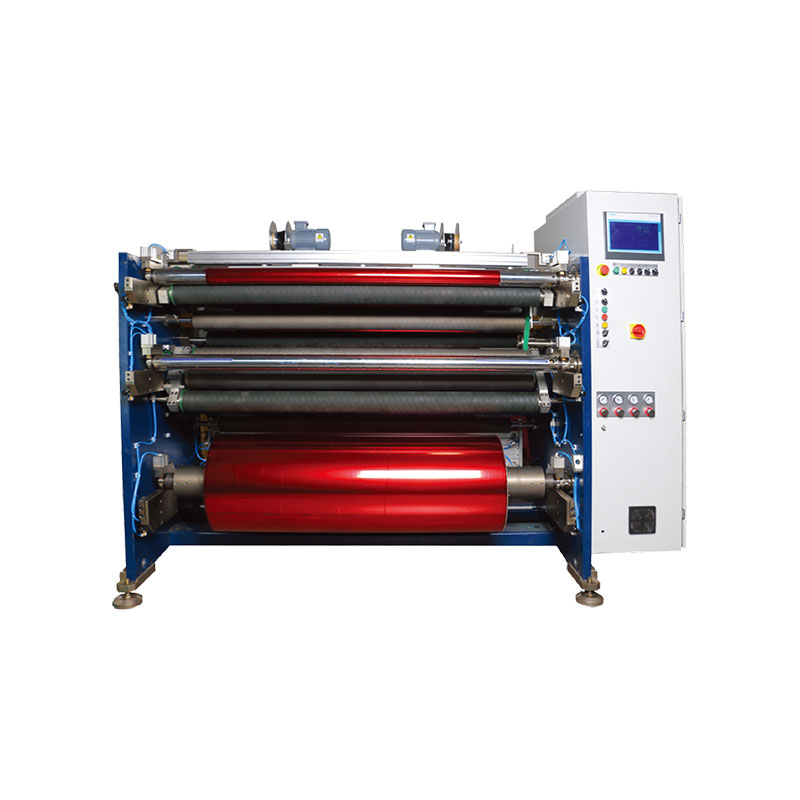 Hot Stamping Foil Slitter 1600mm
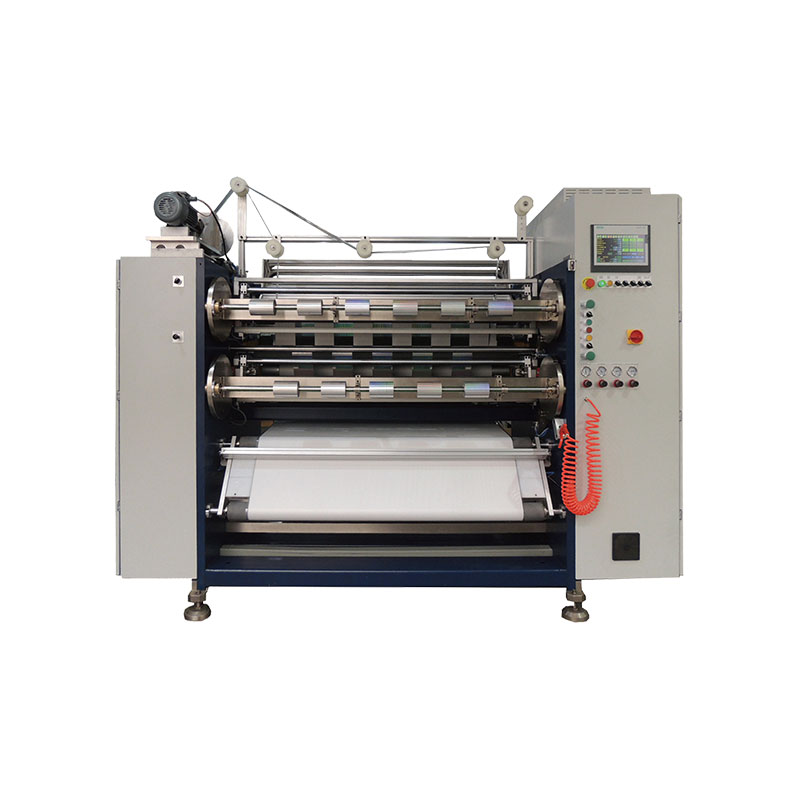 Hot Stamping Foil Slitter (4 Shafts)
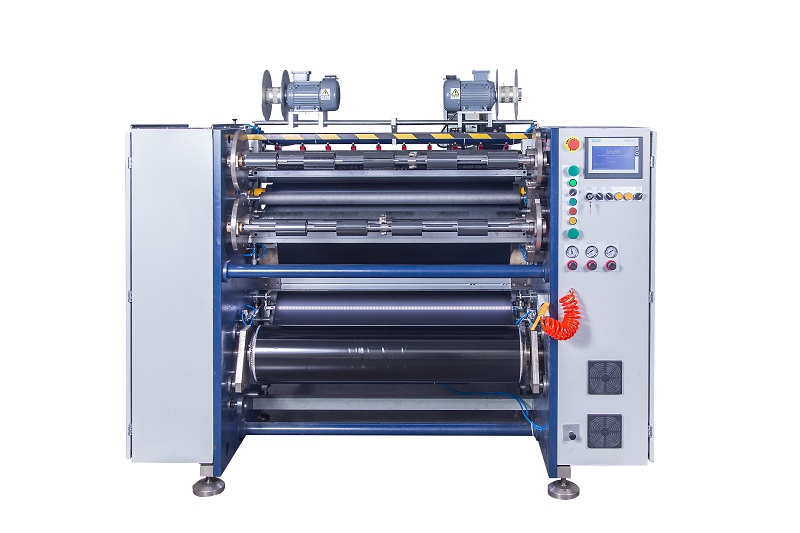 Semi-Auto TTR Slitter RSDS2 Plus
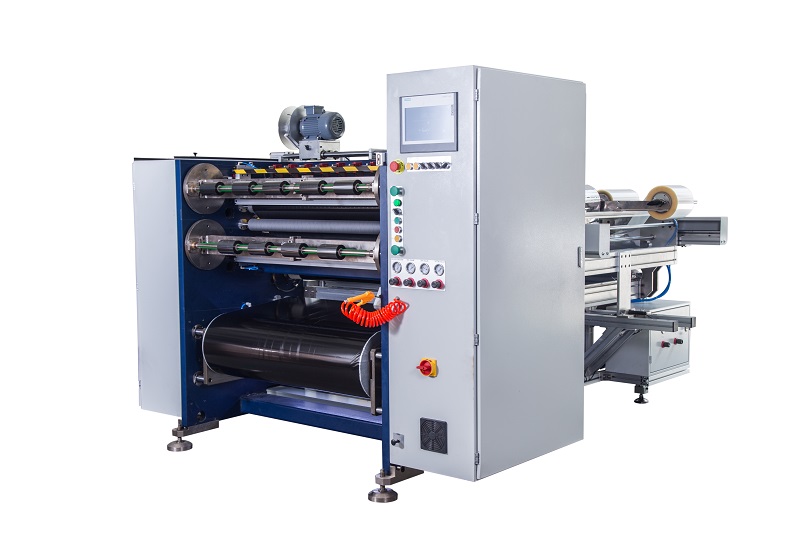 Semi Automatic TTR Slitter RSDS5 Plus
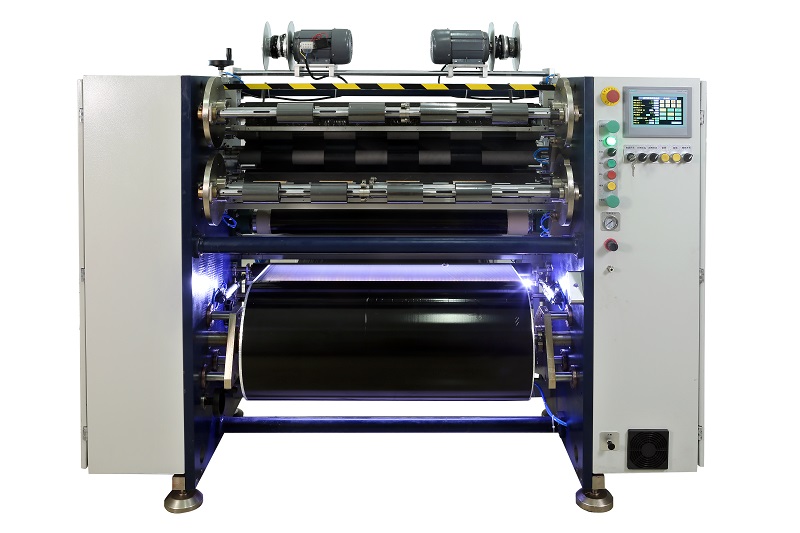 Manual TTR Slitter RSDS2
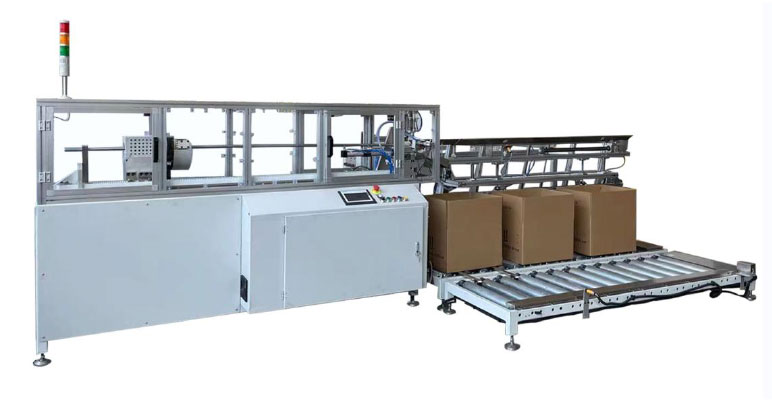 Auto Paper Core Cutter
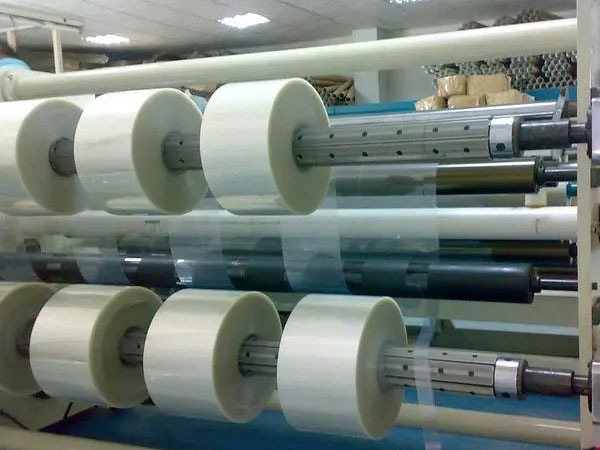 Film Slitting Machine



 +86 135 9951 7291
 support@delishgroup.com
 +86 135 9951 7291